Beginner Topics
Garnishing Basics: Adding the Finishing Touch to Cocktails
6 Minute Read
The Importance of Garnishes in Cocktail Craft
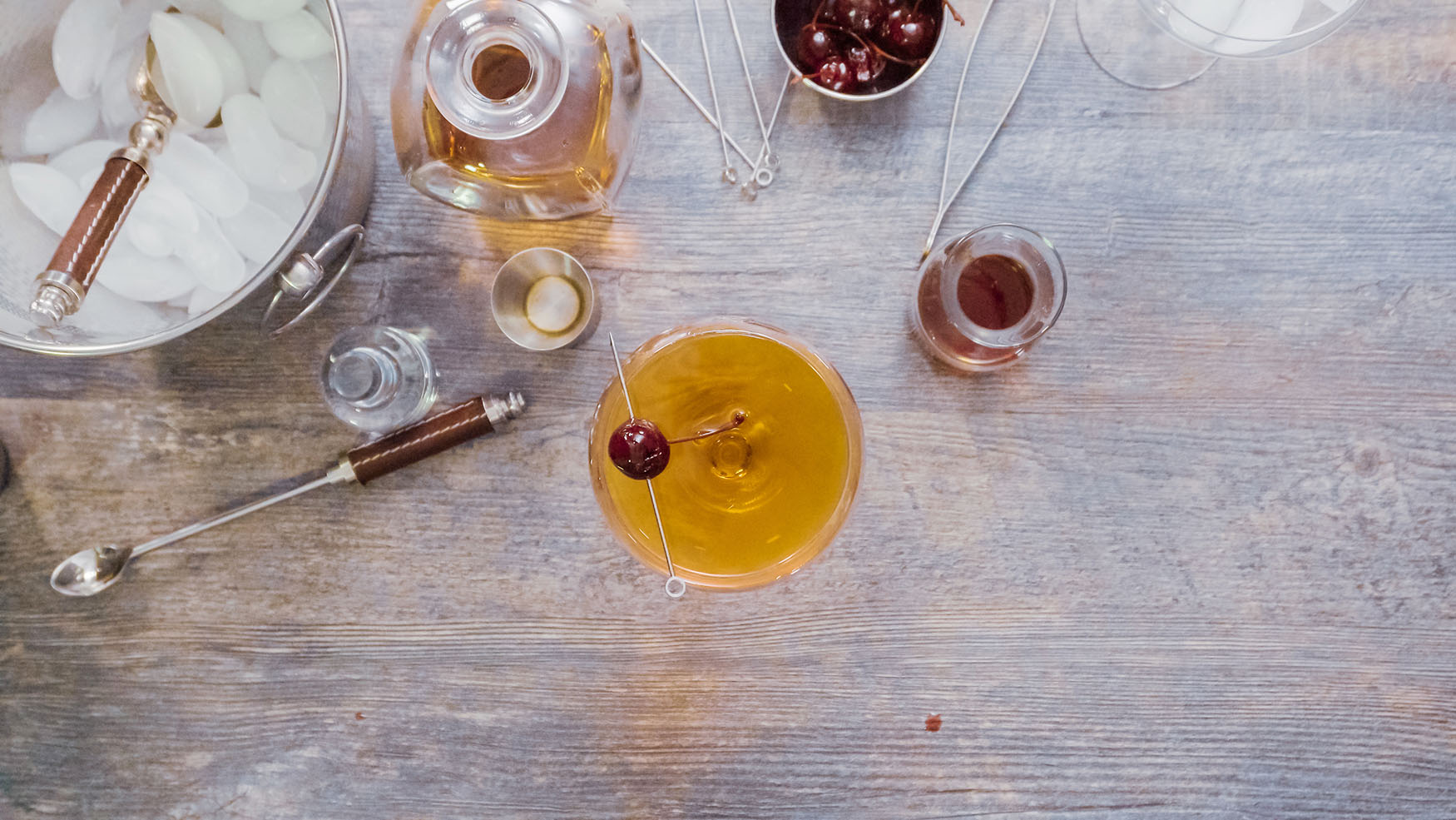
Garnishes are more than just decorative elements; they play a crucial role in enhancing the overall cocktail experience. A well-chosen garnish can complement or contrast flavors, add aroma, and contribute to the visual appeal of a drink. This guide will introduce beginner bartenders to the basics of garnishing, providing tips on how to select and apply garnishes effectively.
Selecting the Right Garnish
The choice of garnish should be intentional, aiming to either match the flavors in the drink or add a contrasting note. For instance, a citrus twist can enhance a citrusy drink or add a bright note to a spirit-forward cocktail. Herbs like mint or basil can add freshness and aroma.
Types of Garnishes and Their Uses
Citrus Twists and Zests
- Usage: Ideal for adding a burst of citrus aroma and a subtle flavor.
- Preparation: Use a peeler or a sharp knife to create a thin strip of the citrus peel, avoiding the bitter white pith. Twist over the drink to release the oils, then either drop it in or rim the glass with it.
Fresh Herbs
- Usage: Herbs like mint, basil, or rosemary add freshness and a vibrant aroma.
- Preparation: Gently slap the herb between your hands before placing it in the drink to awaken the essential oils.
Fruit Slices and Wedges
- Usage: Great for adding visual appeal and a hint of fruit flavor.
- Preparation: Slice fruits neatly and place on the rim of the glass or float in the drink.
Edible Flowers
- Usage: Add a touch of elegance and color, especially in spring and summer drinks.
- Preparation: Ensure the flowers are edible and pesticide-free. Place them carefully on the drink as a delicate garnish.
Olives or Onions
- Usage: Perfect for savory cocktails like a Martini or a Gibson.
- Preparation: Skewer on a cocktail pick and place in the drink.
Specialty Garnishes
- Usage: Creative elements like candied ginger, cinnamon sticks, or chocolate can be used for specific cocktails to enhance their unique flavors.
- Preparation: Consider the cocktail’s flavor profile and choose a garnish that complements it.
Techniques for Applying Garnishes
Applying garnishes with care is essential. A citrus twist should be expressed over the drink to capture the oils. Herbs should be placed where they can be smelled as the drink is sipped. The positioning and presentation of garnishes can greatly influence the drinker’s first impression and overall experience of the cocktail.
Conclusion: The Art of the Final Touch
Garnishing is an art that completes the cocktail-making process. It requires creativity, an understanding of flavors, and attention to detail. By mastering the basics of garnishing, beginner bartenders can elevate their cocktails, offering not just a drink, but a complete sensory experience.
Share This Tutorial, Choose Your Platform!


Beginner Topics
Essential Bartending Tools and Their Uses
Beginner Topics
Basic Cocktail Recipes Every Bartender Should Know
Beginner Topics
How to Muddle Effectively
Beginner Topics
Choosing the Right Glass for Each Cocktail
Beginner Topics
Shaking vs. Stirring: When and How to Do Each in Bartending
Beginner Topics
Garnishing Basics: Adding the Finishing Touch to Cocktails
Beginner Topics
Stocking Your First Home Bar: Essential Spirits and Tools
Beginner Topics
Mastering Pour Techniques and Measurements
Beginner Topics
Hygiene and Bar Maintenance
Beginner Topics
Customer Service Basics for Bartenders
Beginner Topics
A Bartender’s Introduction to Spirits
Beginner Topics
Shots and Shooters: Quick and Fun Drinks
Intermediate Topics
Infusion Techniques for Spirits and Cocktails
Intermediate Topics
Advanced Cocktail Techniques: Fat Washing and Smoking
Intermediate Topics
Crafting Signature Cocktails: Developing Your Own Creations
Intermediate Topics
Exploring Lesser-Known Spirits and Liqueurs
Intermediate Topics
Ice Mastery: Different Types and Their Uses in Cocktails
Intermediate Topics
The Science of Mixology: Understanding Flavors and Textures
Intermediate Topics
Bar Management: Inventory, Ordering, and Cost Control
Intermediate Topics
Sustainable Bartending Practices