Where Every Cocktail Tells a Story, Doberman Drawing Room, Las Vegas
By Megan Rider

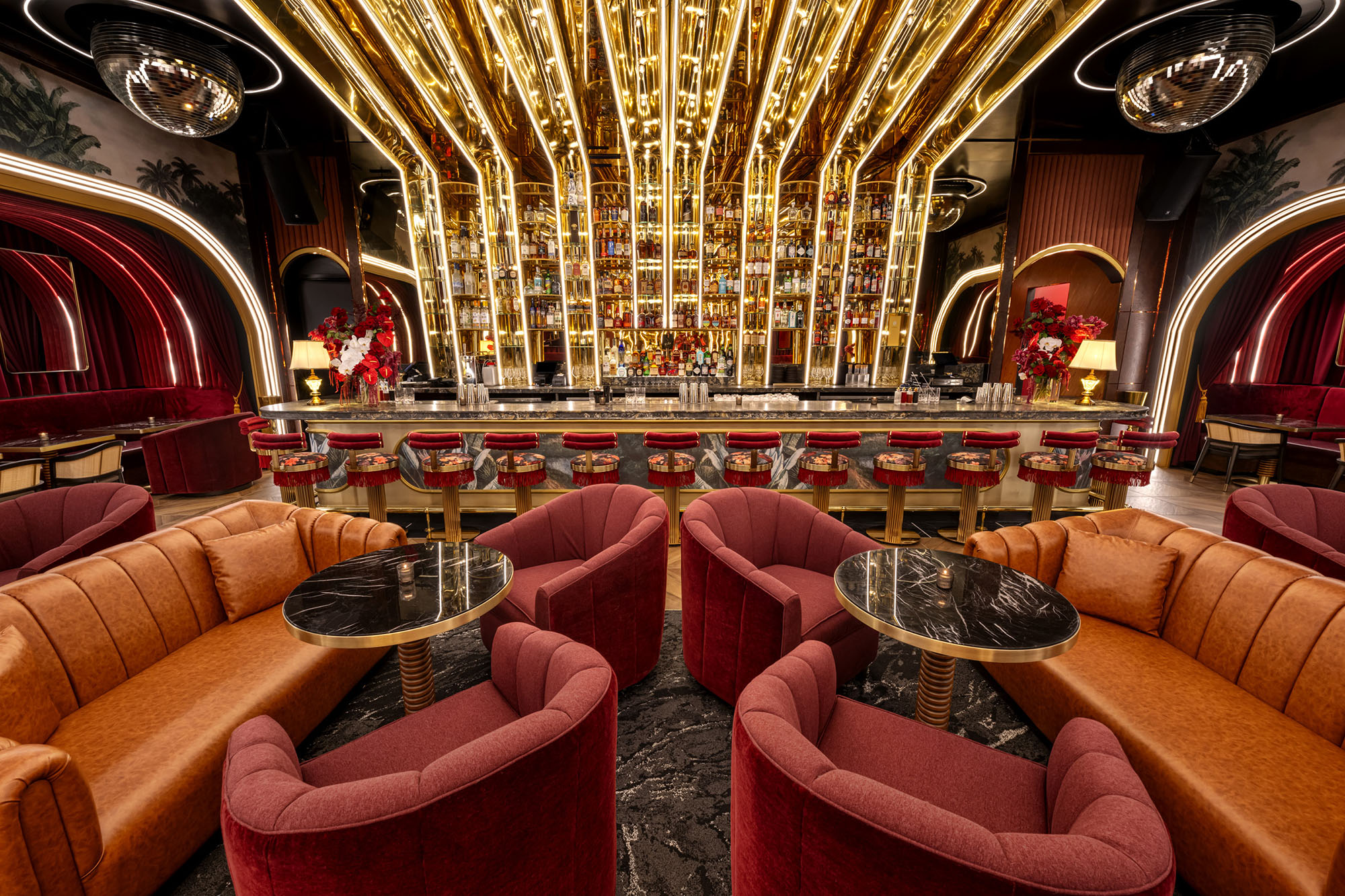
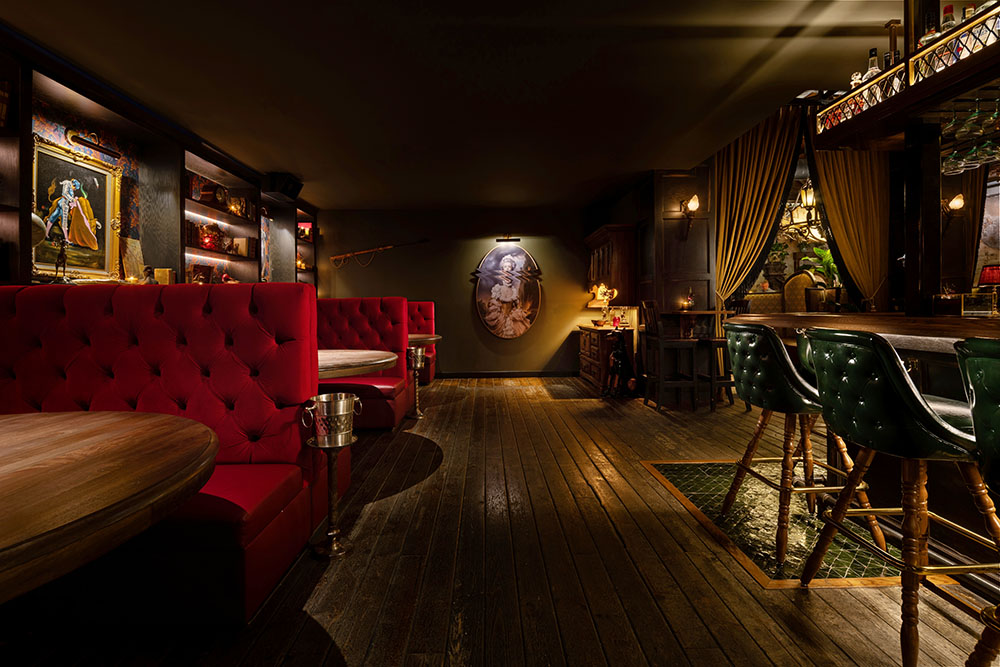
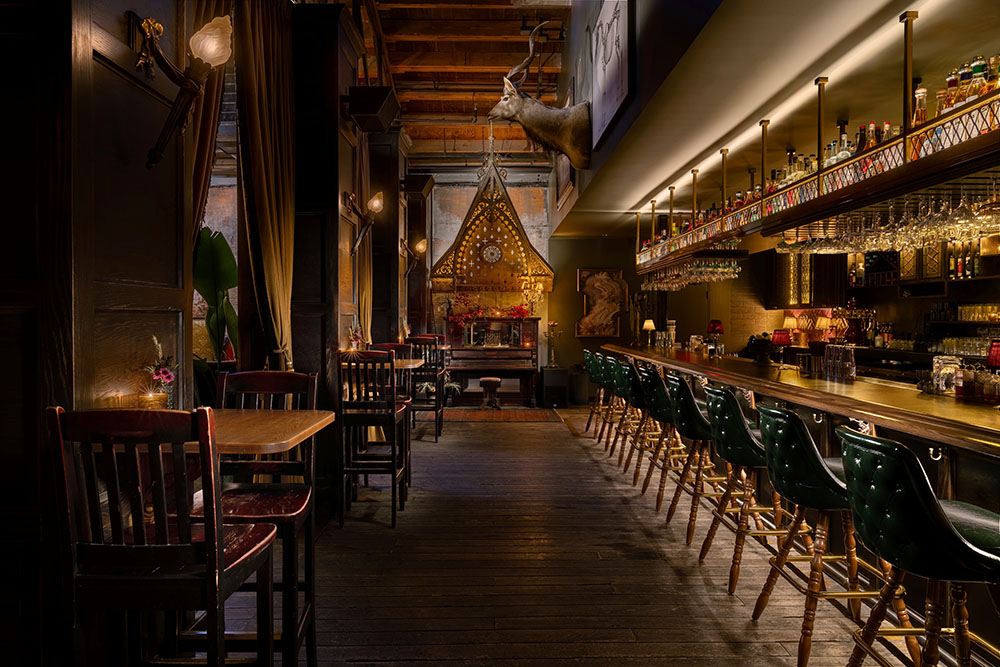
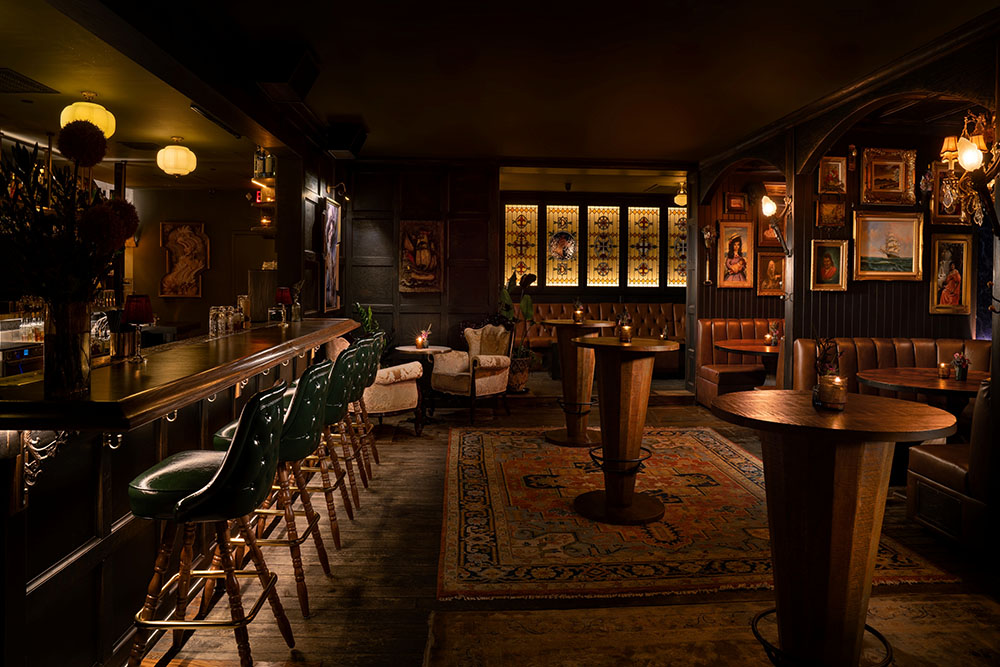
Chilled had the incredible opportunity to step inside Doberman Drawing Room in Las Vegas, Nevada, and what we found was a space that is immersive, intimate, and layered with a kind of lived-in mystique that makes it feel less like a bar and more like you have slipped into a story in progress.
Location photos by Anthony Mair / Food photos by Jose Salinas / Cocktails photos by Angelo Clinton
Each room unfolds like a new chapter, inviting curiosity, conversation, and a sense of discovery that lingers long after you leave.
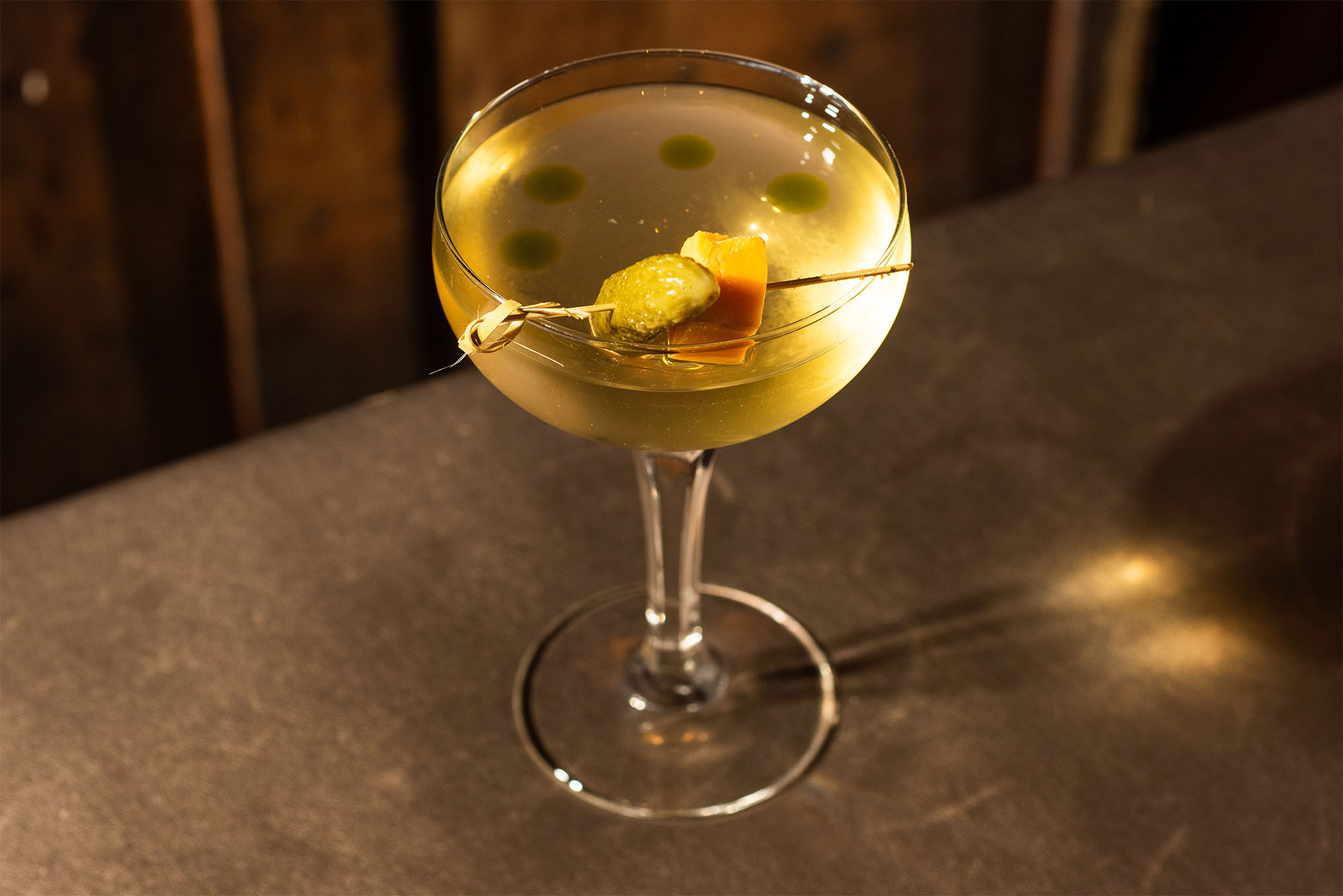
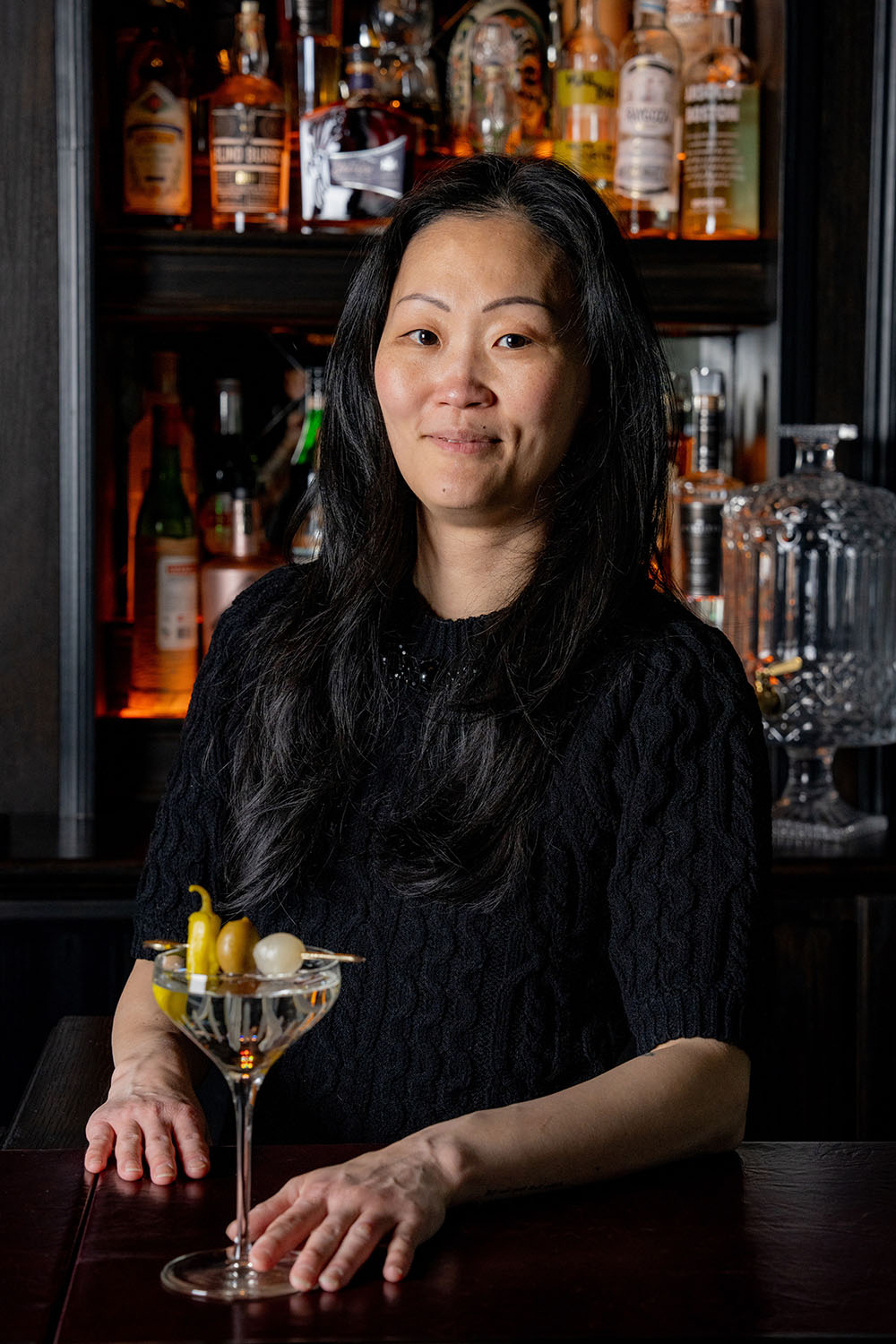
What stood out most was how seamlessly the experience comes together. We loved the richly textured design, the deliberate sense of narrative behind every artifact, and the way the space encourages guests to slow down and engage, both with each other and their surroundings. The drink program, crafted by Juyoung Kang, is as transportive as the setting itself, pushing boundaries with globally inspired flavors while remaining intentional.
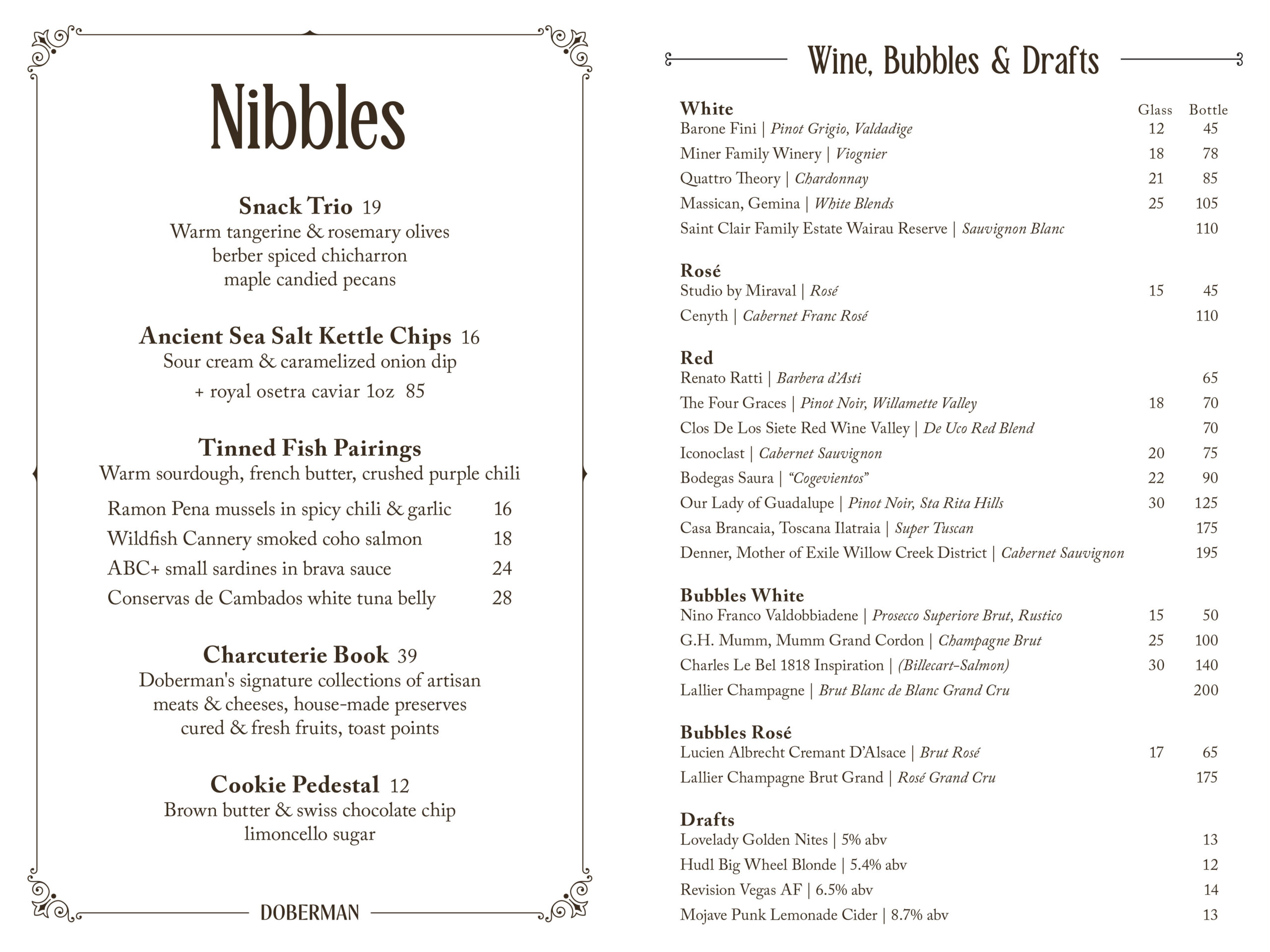
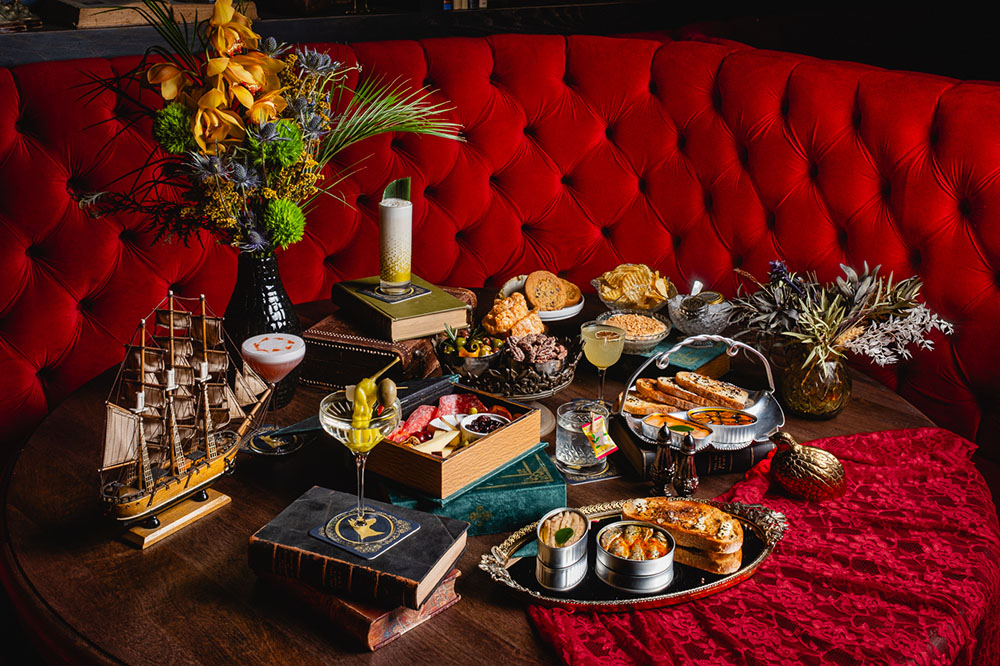
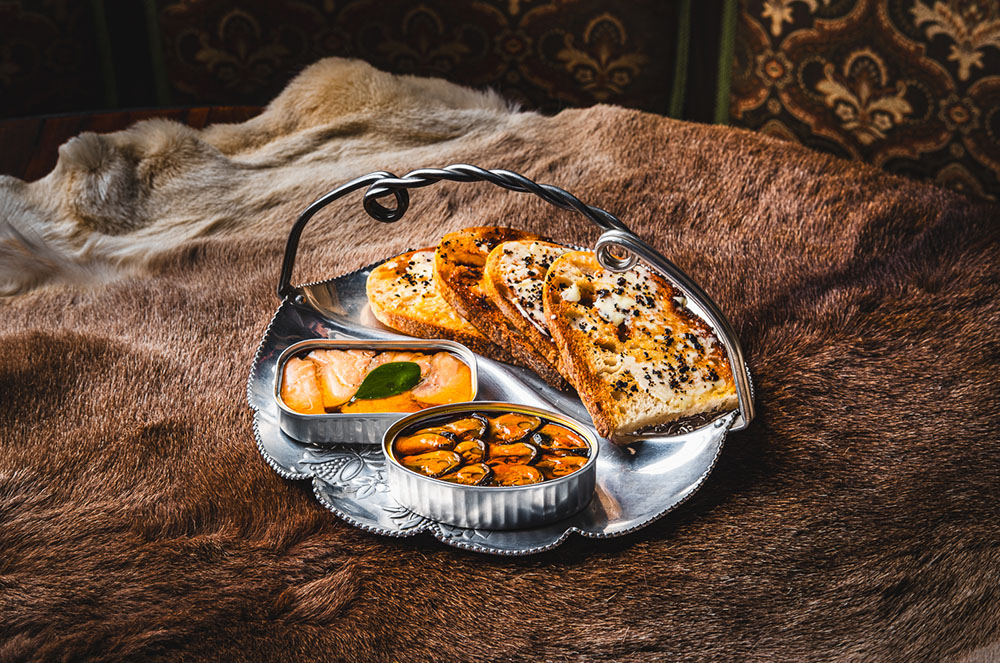
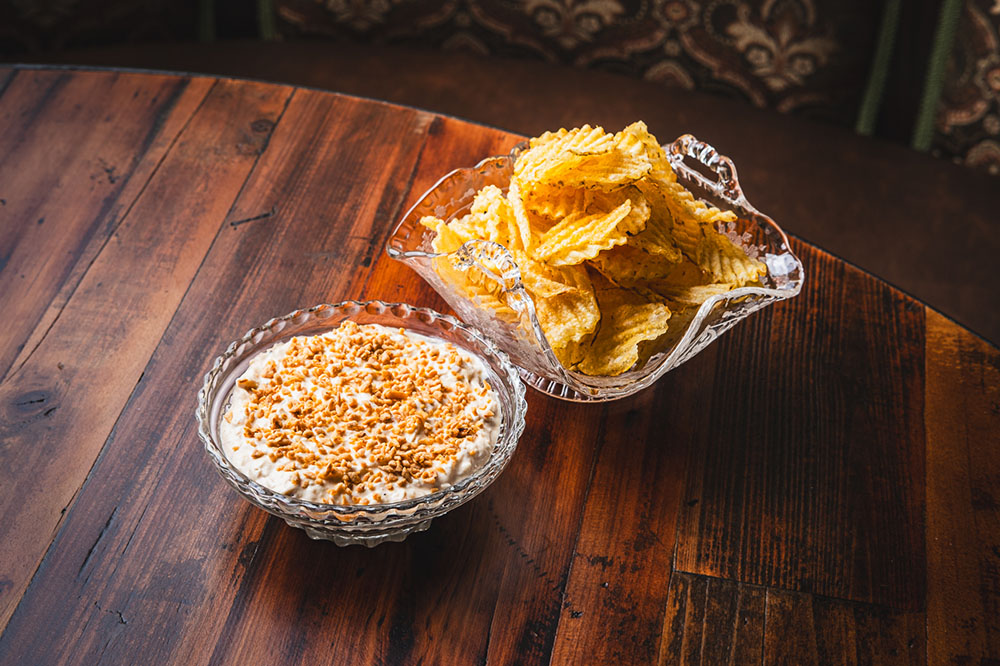
It’s complemented beautifully by an inventive “nibbles” menu that feels anything but standard bar fare. The bartenders were excited and passionate about the cocktail program and offered thoughtful conversation during our visit. One of the most memorable moments of our visit was experiencing the now-signature charcuterie “book”—a theatrical presentation where the top is torched and burned away to reveal what’s inside. It’s a perfect encapsulation of what Doberman stands for: unexpected, a little mischievous, and wholly immersive.
To better understand the vision and creativity behind it all, we heard from Ryan Doherty and Juyoung Kang themselves.
Ryan Doherty – Design/Concept
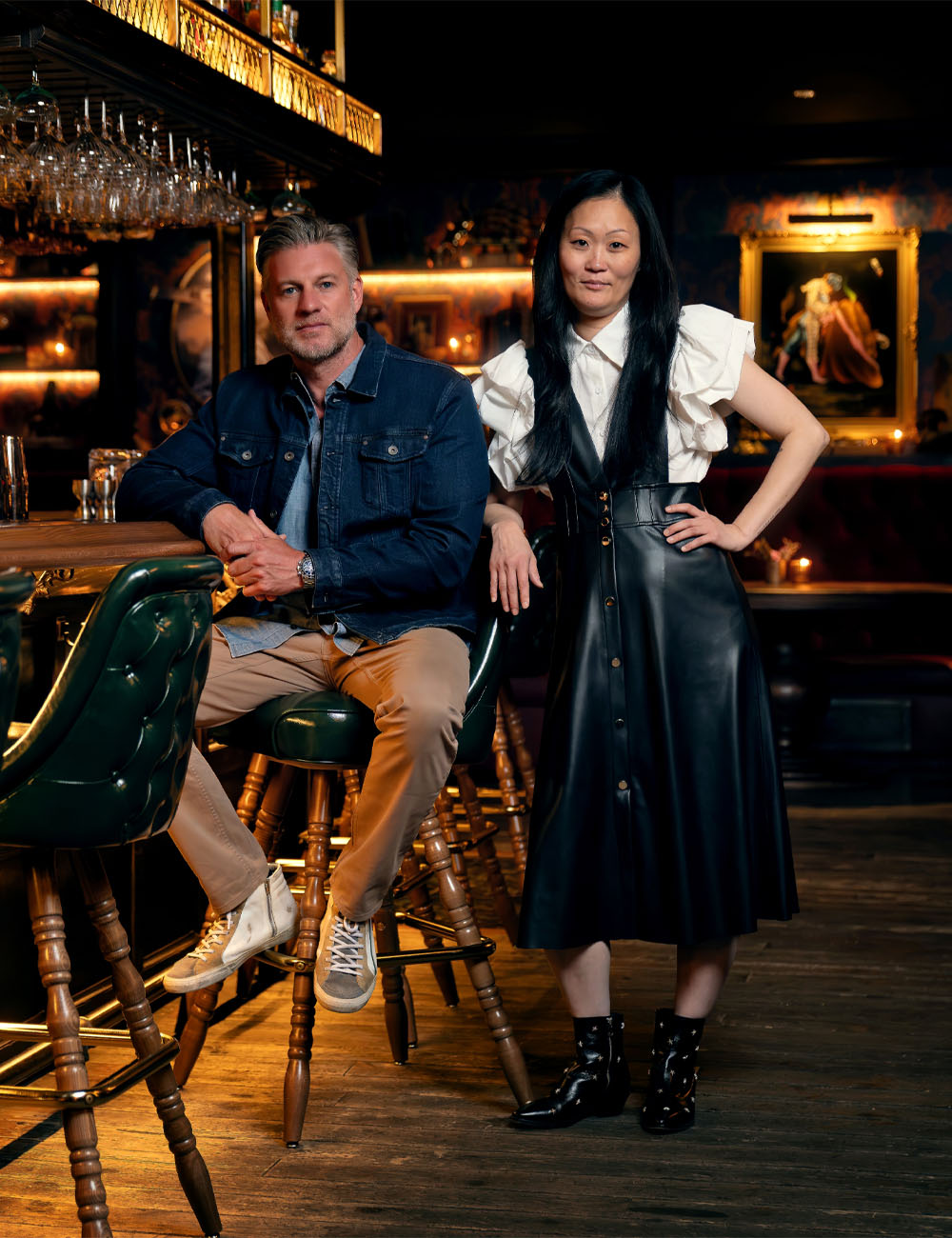
What was the initial inspiration behind Doberman Drawing Room, and how did your travels influence the design?
The seed of Doberman was the desire to build a world, not a venue. A portal that feels as if it has existed for generations, quietly gathering stories, objects, and mischief. Years spent in neighborhoods like Soho, Recoleta, and the Lower East Side left an imprint: compact spaces humming with art, intellect, and a bit of danger, which I wanted to translate into a downtown Las Vegas context without losing the grit and humor of this city.
Travel also taught me the value of intimacy over scale. In many of the rooms that stuck with me, you measured the success of a night by the quality of conversation, not the size of the crowd, and Doberman is unapologetically built around that metric.

Can you walk us through the process of curating the artifacts and artwork in the space? Any favorite discoveries?
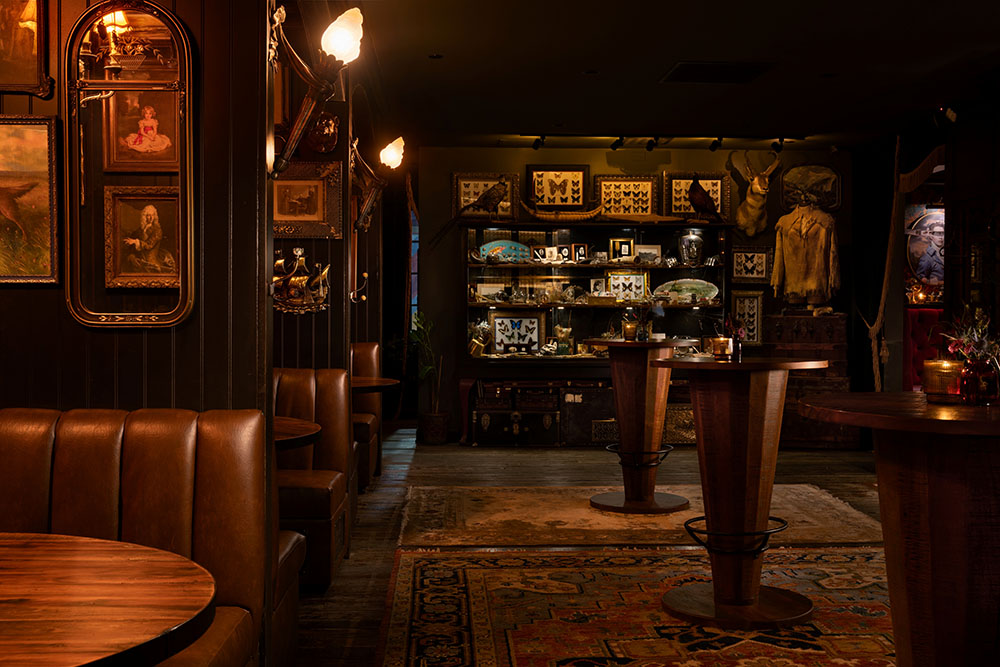
The artifacts in Doberman are the physical diary of about 15 years of collecting from estate sales, flea markets, obscure auctions, and the occasional “you’ve got to see this” tip from friends who know my obsessions. Nothing is purely decorative; every piece had to feel like it could plausibly belong to this mythical explorer whose home you have slipped into for the night.
Favorites tend to be the things that make guests lean in and invent their own backstory: a slightly battered instrument that looks like it last played in a smoky cabaret, a perfectly imperfect portrait that feels half-remembered, or a piece of taxidermy positioned just wrong enough to be a bit unsettling. Those objects are my favorite because they recruit visitors as co-authors in the narrative.
The venue combines elements of a 19th-century drawing room, a salon, and a trophy room. How did you balance these aesthetics while keeping it cohesive?
The design started with three archetypes: the 19th-century drawing room as the spine, the intellectual salon as the brain, and the trophy room as the unruly id. The drawing room gave us the architectural language, wood, upholstery, layered lighting, while the salon informed the seating and flow; nothing is arranged for spectacle, everything is arranged for conversation.
The “trophy room” energy comes through in the taxidermy, curiosities, and maximalist layering, but it is always tempered by restraint in palette and lighting so it feels collected, not cluttered. The cohesion comes from treating the whole venue as one fictional residence. Each aesthetic is just another facet of the same enigmatic owner.
How do you envision guests experiencing the distinct rooms like the Blue Room, Library Room, and Attic?
Each room is a different emotional register of the same story. The Library is the intellectual lung of the house, bookish, amber-lit, and slightly conspiratorial, where guests sink in, slow down, and let the cocktails read like footnotes to their conversations. The Blue Room is moodier and more cinematic, a place where the color and art heighten everything; it is where flirtation, plotting, and late-night revelations tend to migrate.
The Attic, by contrast, feels like the id of the estate, a little wilder, a little less polished, the space where the collection gets stranger and the stories get less reliable. Moving between these rooms, guests aren’t just changing seats; they are changing chapters, which encourages them to treat the night as a journey rather than a static reservation.
What role does storytelling play in your design, and how do you hope it impacts visitors?
Storytelling is the operating system of Doberman. The concept of a mythical explorer, the layered artifacts, the surreal, globe‑trotting cocktail program with Juyoung Kang, all of it is in service of giving guests a narrative scaffold to climb around on. Even the membership model, which privileges curiosity and conversation over status, is a narrative choice: you join a circle of minds, not a hierarchy.
The hope is that visitors leave with a story that feels uniquely theirs: the odd object they fixated on, the stranger who became a confidant in the Library, the cocktail that tasted like a memory they hadn’t had yet. If people walk out feeling as though they just spent the evening inside someone else’s dream, but somehow it clarified their own, that is Doberman working exactly as designed.
Juyoung Kang – Mixology/Bar Program
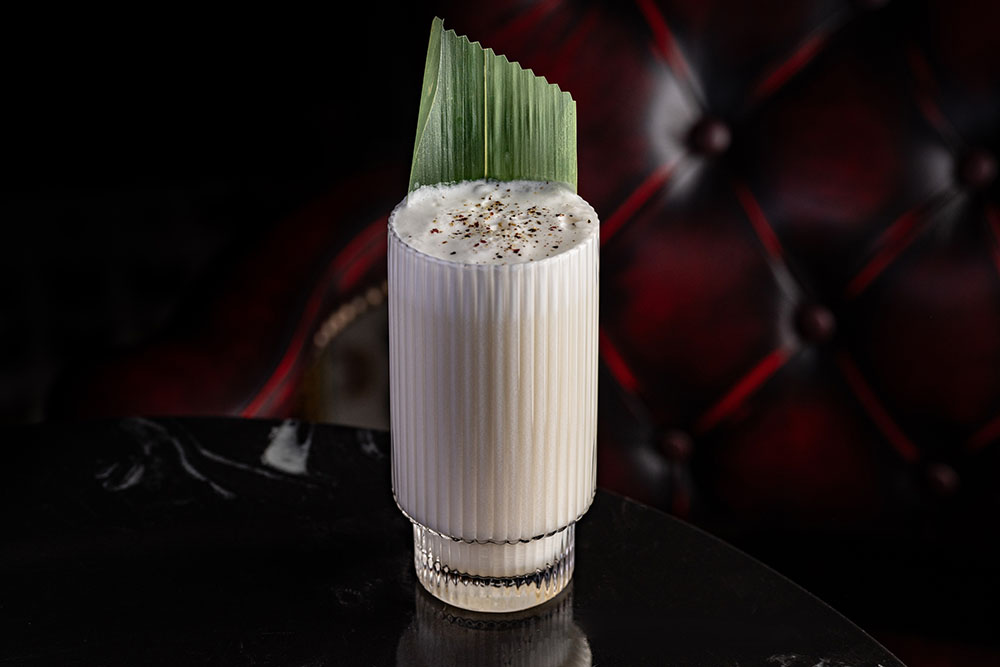
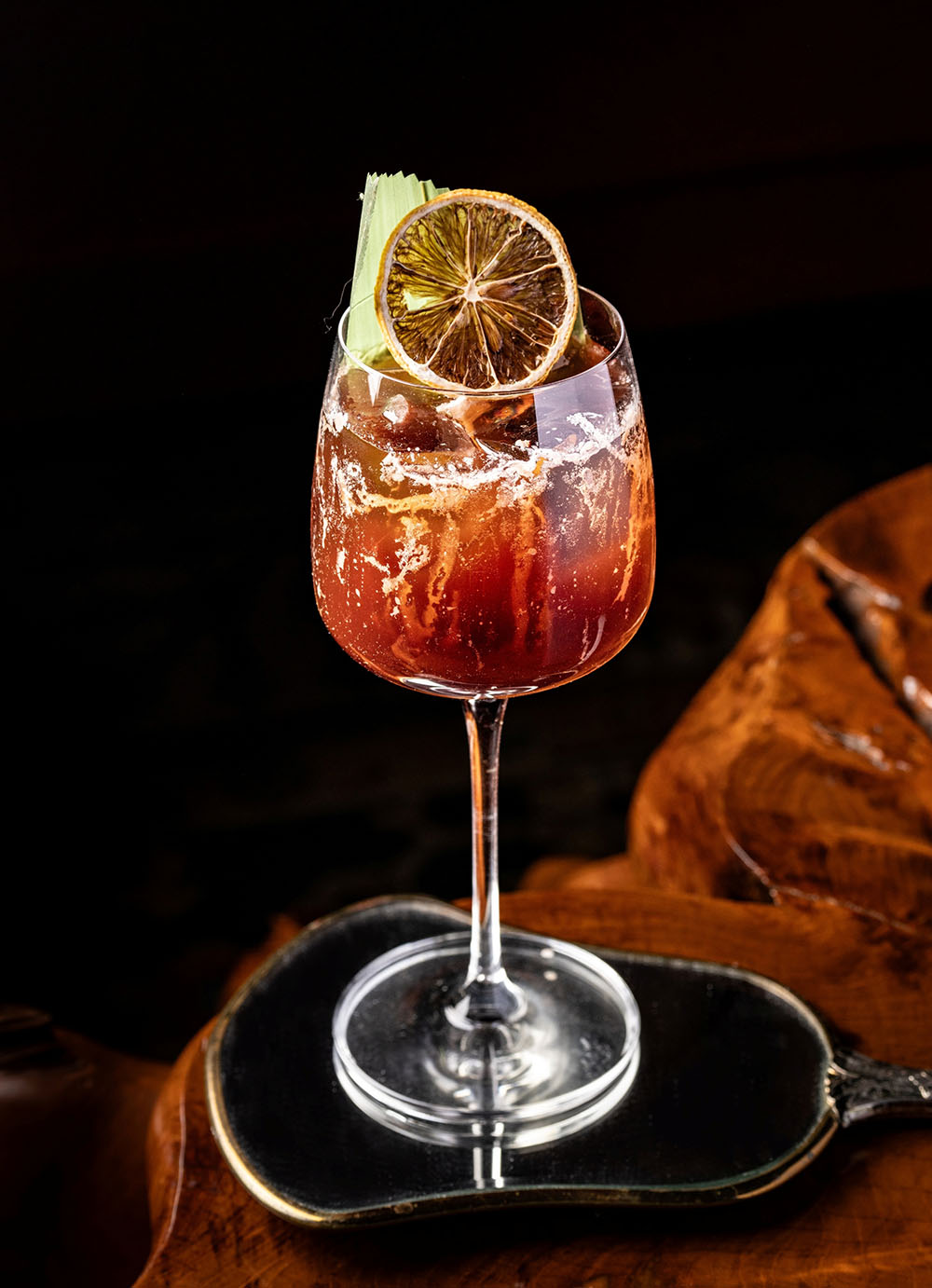
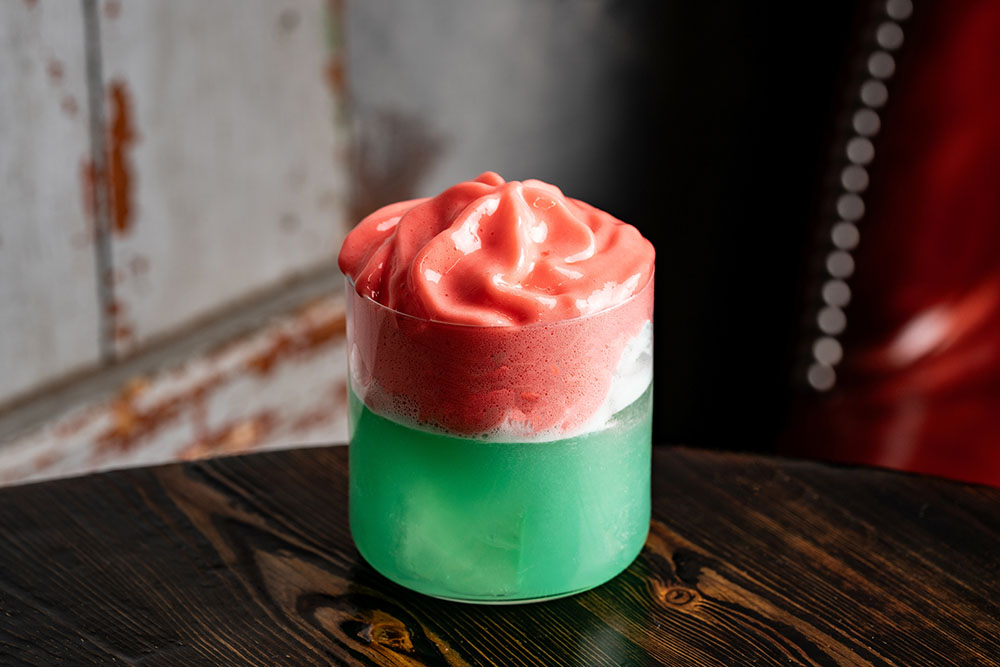
Your cocktails, like the Thai-spiced Tom Kha Fizz and Nine Countries, are globally inspired. How do you approach blending flavors and cultures?
These are inspired by my travels around the world. Growing up asian in the 80s wasn’t the best experience in America. No one knew where Korea was nor understood the vast variations of Asian food. So when I grew up, I made it my agenda to figure out how to travel to as many places as possible and learn all the different foods, flavors, and culture. History and origin stories are huge cornerstones of my inspiration.
Can you share the creative process behind developing a signature cocktail at Doberman Drawing Room?
Doberman’s menu is my most personal menu. It’s everything I wanted to showcase elsewhere that I couldn’t due to the execution process. At Doberman, I’m able to tell any story I want. I want Doberman’s menu to be a reflection of past, present, and future: where I have been and how I have grown throughout the years, what I’m learning today, and where I would like to head in the future.
My creative process has always been to figure out what story I want to tell and how do I make it relevant and relatable. It usually starts with staring at a blank excel sheet and filling in liquors I want to use and going on a deep dive watching cat and raccoon videos. And almost as always, something pops up reminding me of an experience that I want to share.
How do you ensure each cocktail not only tastes extraordinary but also complements the atmosphere and design of the venue?
Ensuring each cocktail tastes extraordinary is hard. You have to convince every bartender that’s working your program to care tremendously and do it the way you do it. No human is 100% built alike. There are ways to ensure there are minimal hiccups, but it will never be 100% the way I do it. Sharing your thoughts and continuous mentoring really help shape future bartenders’ mentality.
It also has to complement the atmosphere and design of the venue, that is understanding the designer’s vision, the vibe sought after, and making sure it is viable for business not only on the bottom line but also in execution. You can have all the bells and whistles, but if you can’t produce it consistently it’s a failed experience. It does take some trial and error to get it right, but I also want to say that I’ve been pretty lucky with my results. And after all these years, I believe Ryan and I have an understanding of each other’s expectations.
What trends or innovations in mixology excite you most right now, and how are you integrating them at Doberman?
I would like to explore more innovative flavors for zero-proof options. I really want to test making drinks with less fruity and less effervescent drinks as an option for mixing non-alcoholics. I would also like to explore more savory flavor combinations and combine more culinary flavors into cocktails creations and deep dive more into using wine in cocktails in other capacities besides just using it as a base.
With your extensive career and multiple accolades, what continues to inspire you to push boundaries in cocktail design?
The learning process and teaching. Watching someone’s light bulb go off is the dopest thing. It’s like watching myself when I was learning for the first time. Everyone wants to learn and to be able to teach and help them grow is probably the coolest thing any human can do for each other. My motto is that I’m not here to teach you to be better bartenders; I’m here to make you better humans so you can be better bartenders. It all starts with basic instincts.
Share This Story, Choose Your Platform!