Intermediate Topics
The Science of Mixology: Understanding Flavors and Textures
6 Minute Read
Delving Deeper into the World of Cocktails
For intermediate bartenders, a deeper understanding of the science behind mixology can be transformative. It’s not just about following recipes; it’s about comprehending why certain ingredients work together and how they affect a cocktail’s flavor and texture. This guide explores the principles of flavor and texture in mixology, providing insights that can elevate your cocktail-making skills.
The Balancing Act of Flavors
Understanding the Flavor Spectrum
- Sweet, Sour, Bitter, Salty, and Umami: Each of these primary flavors plays a role in cocktail balance. Understanding how to balance these flavors can turn a good cocktail into a great one.
The Role of Sweetness
- Sweeteners: Beyond simple syrup, explore honey, agave, and other sweeteners. Each brings its own flavor profile and viscosity, affecting both the taste and mouthfeel of a cocktail.
The Importance of Acidity
- Sour Components: Acidity from citrus or other sour agents is crucial for balancing sweetness and adding brightness to a cocktail.
Bitterness and Complexity
- Bitters and Herbal Elements: Bitters and herbal liqueurs can add depth and complexity, rounding out a cocktail and stimulating the palate.
Texture: The Overlooked Element
The Impact of Ingredients
- Creaminess vs. Crispness: Ingredients like cream or egg whites add body and creaminess, while carbonation or citrus can provide a crisp, refreshing texture.
The Role of Ice
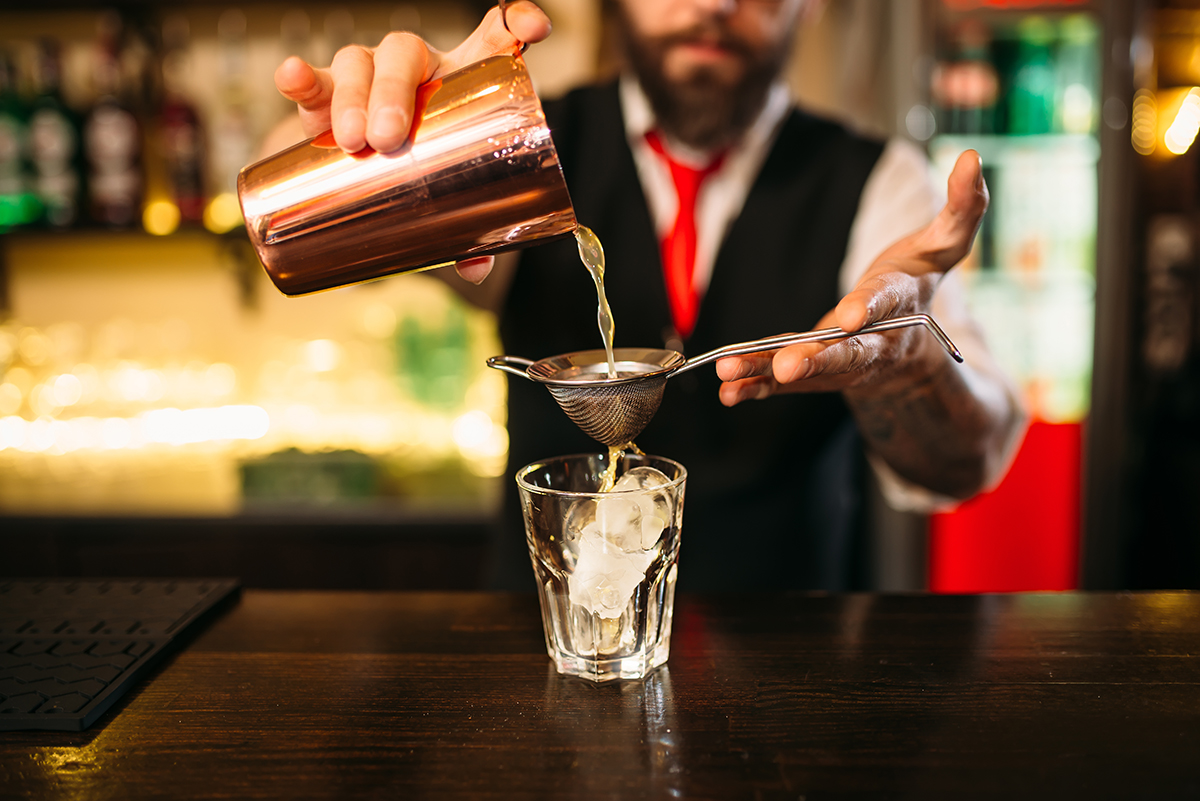
- Dilution and Chill: Ice not only chills a cocktail but also affects its texture through dilution. The right dilution can enhance a cocktail’s mouthfeel.
Advanced Techniques
- Foams and Emulsions: Techniques like shaking with egg whites or using a cream whipper can create foams and emulsions, adding a luxurious texture to cocktails.
Experimentation and Innovation
Playing with Flavors
- Experimentation: Encourage experimenting with different flavor combinations. Use a flavor wheel as a guide to understand complementary and contrasting flavors.
Sensory Experience
- Beyond Taste: Consider how the aroma, appearance, and mouthfeel contribute to the overall drinking experience.
The Science Behind the Craft
- Molecular Mixology: For those interested, delve into molecular mixology, exploring how physical and chemical transformations (like spherification or gelification) can be used in cocktails.
Conclusion: Elevating Your Cocktails Through Science
Understanding the science behind flavors and textures in mixology is about exploring the ‘why’ behind the ‘how’. This knowledge not only enhances your ability to create balanced and exciting cocktails but also deepens your appreciation for the art and science of mixology.
Share This Tutorial, Choose Your Platform!


Intermediate Topics
History and Culture of Cocktails
Intermediate Topics
Pairing Cocktails with Food
Expert Topics
Molecular Mixology: Pushing the Boundaries of Cocktail Craft
Expert Topics
Historical Cocktails and Their Revival
Expert Topics
Rare and Exotic Ingredients Exploration in Cocktails
Expert Topics
The Art of Barrel Aging Cocktails
Expert Topics
Advanced Techniques in Ice Carving and Presentation
Expert Topics
Cocktail Menu Development and Conceptualization