Beginner Topics
Mastering Pour Techniques and Measurements
6 Minute Read
Perfecting the Pour: A Key Skill in Bartending
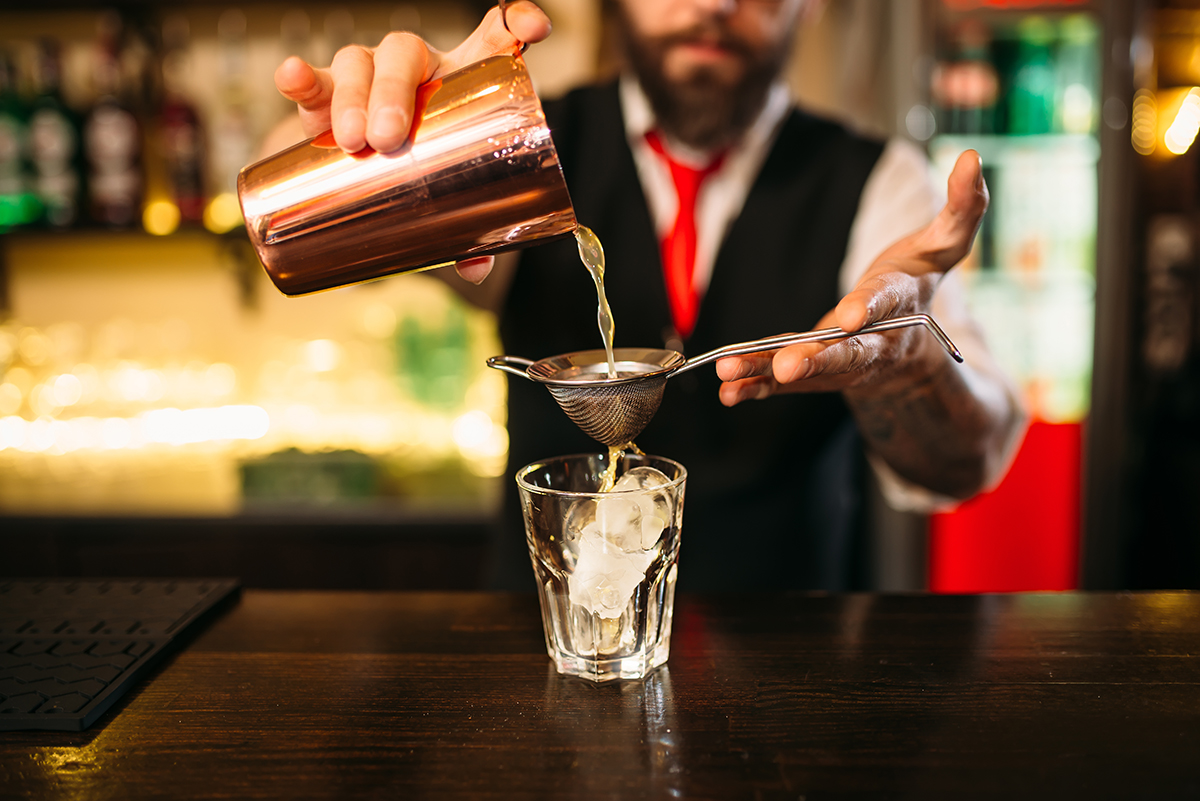
Pouring might seem straightforward, but it’s an art that requires precision and practice. The right pouring technique ensures accurate measurements, balanced cocktails, and happy guests. This guide is tailored for beginner bartenders to master the essential pouring skills.
Understanding Pour Techniques
Free Pouring
- Overview: Pouring directly from the bottle without a measuring tool. It requires practice and a good sense of timing.
- Practice Tips: Start by practicing with water. Count steadily as you pour; a general guide is that a one-second count equals about 0.5 oz. Gradually, you’ll develop a feel for different measurements.
Using a Jigger
- Overview: A jigger is a measuring tool that helps ensure precise amounts. It typically has two sides with different volumes.
- Technique: Fill the jigger to the brim for an accurate measure. For partial measures, learn to eyeball the halfway or quarter-way mark.
Why Accurate Pouring Matters
Consistency
- Consistent pours mean consistent cocktails. This is key in maintaining quality, especially when repeating a popular recipe.
Cost Control
- In a professional setting, accurate pouring is essential for inventory and cost management. Over-pouring can lead to significant losses over time.
Customer Satisfaction
- Guests expect their favorite drinks to taste the same each time they order. Accurate pouring is crucial in meeting these expectations.
Developing Your Pouring Skills
- Practice with Water: Begin by practicing pours with water to avoid waste. Use a graduated cylinder or measuring cup to check your accuracy.
- Learn the Count System: Familiarize yourself with the count system where each count equals a specific measurement (typically, 1 count = 0.5 oz). Consistency in your counting is crucial.
- Use a Jigger for Accuracy: Especially when starting, a jigger is your best friend. It ensures you’re pouring the right amounts until you’re comfortable with free pouring.
- Graduate to Real Ingredients: Once comfortable with water, start practicing with actual spirits to get used to their different viscosities.
- Get Feedback: If you’re training in a bar, ask a more experienced bartender to watch your technique and give tips.
Conclusion: The Journey to Precision
Mastering pouring is a journey that involves a lot of practice and a keen eye for detail. Whether you’re pouring a simple two-ingredient drink or a complex cocktail, the accuracy of your pour can make all the difference. Embrace the process, and soon you’ll pour with confidence and precision.
Share This Tutorial, Choose Your Platform!


Intermediate Topics
History and Culture of Cocktails
Intermediate Topics
Pairing Cocktails with Food
Expert Topics
Molecular Mixology: Pushing the Boundaries of Cocktail Craft
Expert Topics
Historical Cocktails and Their Revival
Expert Topics
Rare and Exotic Ingredients Exploration in Cocktails
Expert Topics
The Art of Barrel Aging Cocktails
Expert Topics
Advanced Techniques in Ice Carving and Presentation
Expert Topics
Cocktail Menu Development and Conceptualization