Whiskey
The Rich History and Origins of Whiskey: From Bourbon to Scotch
December 23, 2023
Introduction
Whiskey, a spirit steeped in tradition and character, holds a revered place in the hearts of connoisseurs and casual drinkers alike. With its complex flavors and rich heritage, whiskey is more than just a beverage; it’s a journey through time and culture. Among its varied forms, bourbon and scotch stand out, each with a unique story to tell. In this exploration, we delve into the captivating history of whiskey, tracing its origins from the early days of distillation to the global prominence it enjoys today. Join us as we uncover the rich origins of bourbon and scotch, and celebrate their enduring impact on the world of spirits.
The Beginnings of Whiskey
The story of whiskey begins in ancient times, with its roots deeply entwined in the practices of early civilizations. The art of distillation, believed to have been developed by the Babylonians in Mesopotamia, was originally intended for perfumery. It wasn’t until much later that this technique found its way into the realm of spirits.
As distillation spread across continents, it morphed and adapted to local customs and ingredients. By the time it reached Ireland and Scotland, whiskey began to take on its own identity. The term ‘whiskey’ itself is derived from the Gaelic “uisce beatha,” meaning “water of life,” a testament to its significance in these cultures.
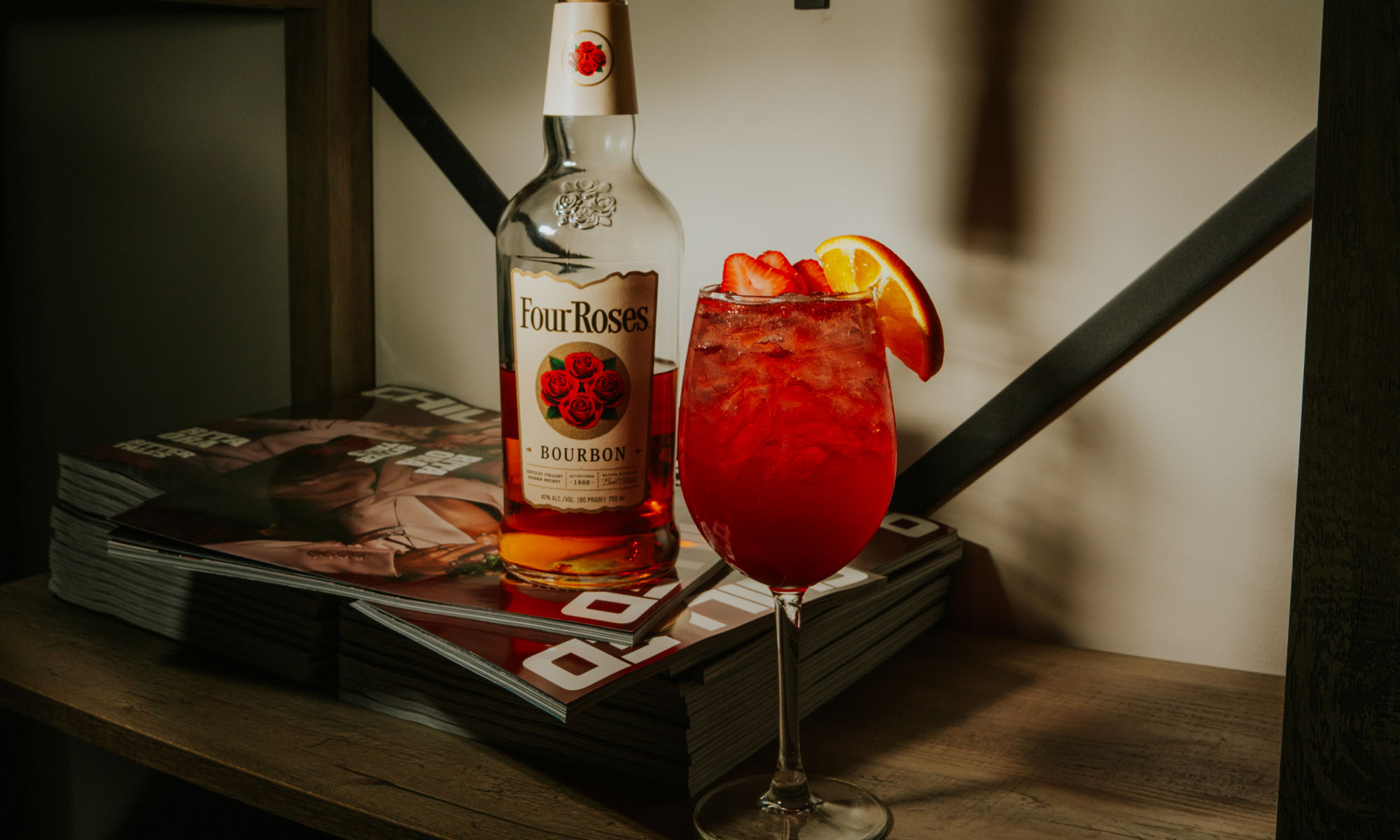
In the case of bourbon, its origins are distinctly American. Bourbon’s story is interwoven with the history of the United States, emerging as a distinctive product of the new world. Distillers in Kentucky, taking advantage of the abundant corn, began producing a whiskey that was smooth, versatile, and distinctly different from its European counterparts.
Whiskey in Medieval Times
The Middle Ages marked a pivotal era for whiskey. Monasteries across Europe became centers for distillation knowledge, particularly in Ireland and Scotland. Monks, among the few who were literate and educated in the sciences, refined and perfected the art of distillation. They used this knowledge primarily for medicinal purposes, creating tonics and elixirs.
However, as whiskey’s popularity grew, it transitioned from a medicinal remedy to a widely consumed recreational beverage. This shift was significant in Scotland and Ireland, where local ingredients like barley began shaping the unique flavors of what would become scotch and Irish whiskey.
Meanwhile, the medieval era also saw the spread of distillation knowledge beyond monastic confines. With the dissolution of monasteries during the Reformation, the secrets of whiskey-making were disseminated among the populace, leading to a surge in its production and consumption. This period set the stage for the development of whiskey as a cherished and culturally significant spirit, paving the way for the diverse array of styles we appreciate today.
The Birth of Whiskey in Scotland and Ireland
The debate over whiskey’s true origins between Scotland and Ireland is steeped in centuries of history and national pride. Both regions claim the honor of being the birthplace of whiskey, and while the exact origins remain shrouded in time, the contributions of both are undeniably profound.
In Scotland, the earliest recorded mention of whiskey dates back to 1496, though it’s likely the spirit was being produced there long before this. Scotch, as it came to be known, was originally made from malted barley and distilled in small, local operations. The harsh climate of Scotland influenced the maturation process, leading to the development of distinct flavors unique to Scotch whiskey.
Ireland, with its rich tradition of folklore and storytelling, has long woven the origins of whiskey into its cultural tapestry. The first written record of whiskey production in Ireland dates back to the 15th century, but like Scotland, its history likely predates this. Irish whiskey, traditionally triple-distilled, is known for its smooth and light character, distinguishing it from its Scottish cousin.
These early whiskies were far from the refined spirits we know today. They were potent, unaged, and often flavored with herbs or spices. Despite their rudimentary nature, they laid the foundation for what would evolve into the sophisticated whiskeys of modern times.
Bourbon’s American Story
The tale of bourbon begins in the 18th century American frontier, a story deeply intertwined with the early history of the United States. While whiskey had been produced in America prior to this, it was the settlers in Kentucky who gave birth to bourbon.
The name ‘bourbon’ itself is derived from Bourbon County in Kentucky, a major shipping hub for distilled spirits. The distinct characteristics of bourbon arise from its specific grain recipe, with corn comprising at least 51% of the mix, and its aging process in new charred oak barrels. This combination imparts bourbon with its signature sweetness and rich amber color.
Bourbon’s evolution was shaped by various historical events, from the Whiskey Rebellion in the 1790s to the advent of the steamboat, which facilitated wider distribution. The introduction of the Bottled-in-Bond Act in 1897 and the designation of bourbon as a uniquely American product in the 1960s further cemented its status in the whiskey world.
Today, bourbon is celebrated for its versatility and complexity, enjoyed neat, on the rocks, or as the base of numerous classic cocktails. Its story is a testament to American innovation and resilience in the face of changing times and tastes.
Industrial Revolution’s Impact on Whiskey
The Industrial Revolution brought about significant changes in whiskey production, particularly in the efficiency and scale of distillation. This era saw the introduction of new technologies that transformed traditional methods, making whiskey more consistent and accessible.
The invention of the continuous still, also known as the Coffey still, by Aeneas Coffey in the early 19th century, was a pivotal development. This new distillation technique allowed for a more efficient and continuous process, producing a higher yield of spirit. While this innovation was initially met with resistance, particularly in Scotland, it eventually became integral to the production of many types of whiskey, including scotch.
These technological advancements also impacted the aging process of whiskey. The development of better cask-making techniques and the understanding of how wood influences the spirit’s flavor led to more refined aging processes. This period marked the beginning of whiskey aging as we know it today, with the maturation period contributing significantly to the flavor profile of the final product.
The Industrial Revolution not only revolutionized the production of whiskey but also democratized its consumption. Whiskey became more affordable and available, expanding its appeal beyond the elite, and cementing its place as a beloved drink across different strata of society.
Prohibition’s Role
The Prohibition era in the United States, spanning from 1920 to 1933, had a profound impact on the whiskey industry. This nationwide constitutional ban on the production, importation, transportation, and sale of alcoholic beverages hit the bourbon industry particularly hard. Many distilleries were forced to close, and the few that remained operational did so under strict regulations, often producing whiskey for “medicinal purposes.”
This period led to the rise of illicit distilling and smuggling, known as bootlegging. While these illegal operations kept a trickle of whiskey flowing, the quality often suffered. Scotch whisky, however, found an unexpected opportunity during this time. With bourbon production heavily curtailed, Scotch whisky began to fill the void in the American market, further cementing its popularity overseas.
The end of Prohibition marked a new beginning for the whiskey industry. However, the recovery was slow, as many distilleries had been lost and tastes had changed. The post-Prohibition era required whiskey makers to rebuild their operations and reputations, a process that took decades.
The Modern Era of Whiskey
The modern era has seen a renaissance in the whiskey industry. Innovations in production, a resurgence in consumer interest, and a renewed appreciation for craft and quality have driven a global whiskey boom. Both bourbon and scotch have experienced significant revivals, with an emphasis on artisanal methods, experimentation, and small-batch production.
Today, whiskey enthusiasts have an unprecedented range of choices, from classic brands that have stood the test of time to new craft distilleries pushing the boundaries of flavor and technique. The modern whiskey landscape is characterized by a blending of tradition and innovation, with distillers respecting historical methods while embracing new ideas.
This era has also seen a growing interest in whiskey tourism, with distilleries in Scotland, Ireland, and the United States becoming popular destinations for aficionados. The cultural significance of whiskey continues to expand, with its rich history and evolving narrative capturing the imagination of a new generation of whiskey lovers.
Conclusion
The journey of whiskey, from its ancient origins to its modern-day renaissance, is a testament to its enduring appeal and adaptability. The stories of bourbon and scotch, each with their unique histories and contributions, weave together to form the rich tapestry of whiskey’s legacy. As we reflect on this journey, we appreciate not just the spirit in our glass, but the centuries of tradition, innovation, and craftsmanship that have shaped it.
As whiskey continues to evolve, one thing remains constant: its ability to bring people together, transcending time and borders. Whether enjoyed in a quiet moment of reflection or shared amongst friends, whiskey is more than just a drink—it’s a living history, meant to be savored and celebrated.



Production Process
Explore the intricate process of whiskey production, from selecting the perfect grains to the art of aging in oak barrels. Discover the craftsmanship behind every bottle.

Types of Whiskey
Dive into the diverse world of whiskey and discover the unique characteristics and traditions behind each type, from Scotch to Bourbon and beyond.

Whiskey in Cocktails
Discover the classics: Explore our top 5 whiskey cocktail picks, from the elegant Manhattan to the comforting Hot Toddy, and master the art of timeless whiskey mixology.

Food Pairings
Elevate your dining with our guide to whiskey food pairings. Discover how different whiskeys can complement and enhance a variety of dishes, from appetizers to desserts.

Whiskey FAQs
Uncover the secrets of whiskey with our comprehensive FAQ guide. From production to tasting, learn everything you need to know about this revered spirit.

Whiskey Hub
Your ultimate whiskey destination: Explore our Whiskey Hub for insights into whiskey history, making, pairings, cocktails, and FAQs. A comprehensive guide for enthusiasts and connoisseurs alike.