How a Loaf of Bread Inspired One of Italy’s Most Distinctive Vodkas
By Chilled Magazine

From a single loaf of bread baked in Atlanta to a vodka rooted in centuries of Italian tradition, Altamura Distilleries Vodka is redefining what the category can be.
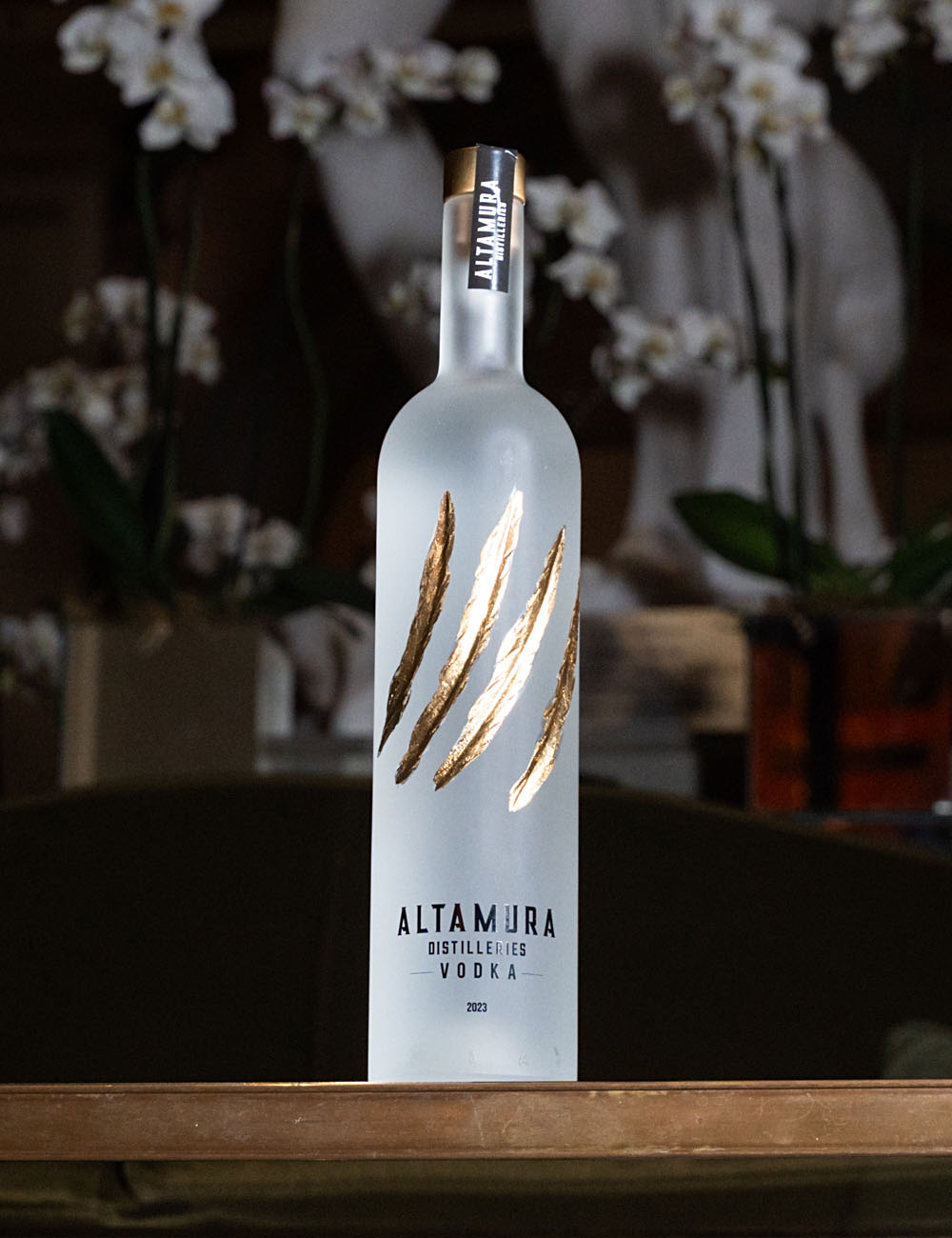
Inspired by the historic Pane di Altamura and crafted from rare durum wheat grown in the heart of Puglia, the brand blends heritage, terroir, and modern luxury into every bottle.
In this conversation, Frank Grillo, co-founder and managing director of Altamura Distilleries, shares how an unexpected connection between bread and spirits sparked the idea for Altamura Distilleries Vodka, why authenticity remains at the center of the brand, and how they are bringing a distinctly Italian perspective to the world of premium vodka.
Altamura Distilleries Vodka is rooted in something unexpected: bread. Can you walk us through how this idea first came to life?
It really did start with a loaf of bread. When we moved to Puglia, I found myself completely immersed in the food culture. I love to cook, so I started learning about the region and that is when I discovered Pane di Altamura. I even baked a “rogue” load while I was still living in Atlanta which is how the whole journey started.
What stayed with me was the depth of its history.
The Roman poet Horace wrote about this bread over two thousand years ago, calling it the best bread a traveler could take on a journey. That idea stuck. Something so simple, but so meaningful. At some point, I had this realization that bread and spirits are not that far apart. A loaf of bread is essentially a bottle of vodka, gin, or whiskey waiting to happen. That was the moment Altamura Distilleries really began.

What inspired the decision to use Altamura wheat, and how does that choice reflect Italian heritage?
Honestly, the wheat chose us. Once I started digging into it, I realized no one was distilling with Altamura durum wheat, which surprised me. This is the same wheat used for Pane di Altamura, the only bread in the world with PDO status, and it has been grown in that region for thousands of years. In Italy, food is never just about eating. It is about identity, family, and place. That wheat is part of daily life in Puglia.
So for us, Altamura Distilleries Vodka became a way of expressing that heritage in a different form. It is not about reinventing something. It is about respecting it and giving it a new voice.
Italy is not traditionally known for vodka. Was the goal always to challenge that perception?
Not really. We were not trying to challenge anything. We were trying to celebrate what Italy already does so well. With Italian cuisine now recognized as UNESCO Intangible Cultural Heritage, there is a renewed appreciation for ingredients, rituals, and regional identity. That is exactly where Altamura Distilleries Vodka sits. We have always thought about it as something you enjoy with food. It is clean and expressive, and it works beautifully alongside dishes, whether that is shellfish, something salty, or even just olives and citrus as an aperitivo. Once people experience it that way, it makes complete sense.
Can you break down the journey from grain to glass in your production process?
It all starts in the fields around Altamura, working closely with farmers like Andrea Capiello and his family. That relationship is incredibly important to us. I still remember standing there with them, having what felt less like a business conversation and more like a conversation about trust. They wanted to understand who we were and what we were trying to do with their wheat. From there, we keep things quite simple.
We triple distill and bottle at 43 percent ABV. That is very intentional. We are not trying to strip everything out. We are trying to keep the character of the wheat. Durum wheat naturally has a density and a subtle nutty sweetness. If you treat it carefully, it gives you something really distinctive. That is what we are trying to preserve in Altamura Distilleries Vodka.
Are there any traditional Italian philosophies that influenced your approach?
Definitely. The biggest one is probably restraint. In Italy, when you have a great ingredient, you do not overwork it. You let it speak. That is exactly how we think about distillation. Everything we do comes back to provenance. It’s terroir, who grew it, and how it is treated. That is really the backbone of Altamura Distilleries Vodka.
Vodka has long been associated with neutrality. How is Altamura Distilleries Vodka redefining the category?
For us, it is about showing that vodka can have character without losing elegance. Altamura Distilleries Vodka has a softness to it, but also real depth. You get that gentle cereal sweetness, a slightly savory, almost umami quality, and a clean, warming finish. It is still refined, but it is not anonymous. Rather than distilling the wheat out of the vodka, we want to distill the wheat into the vodka.
What do you want bartenders to notice first?
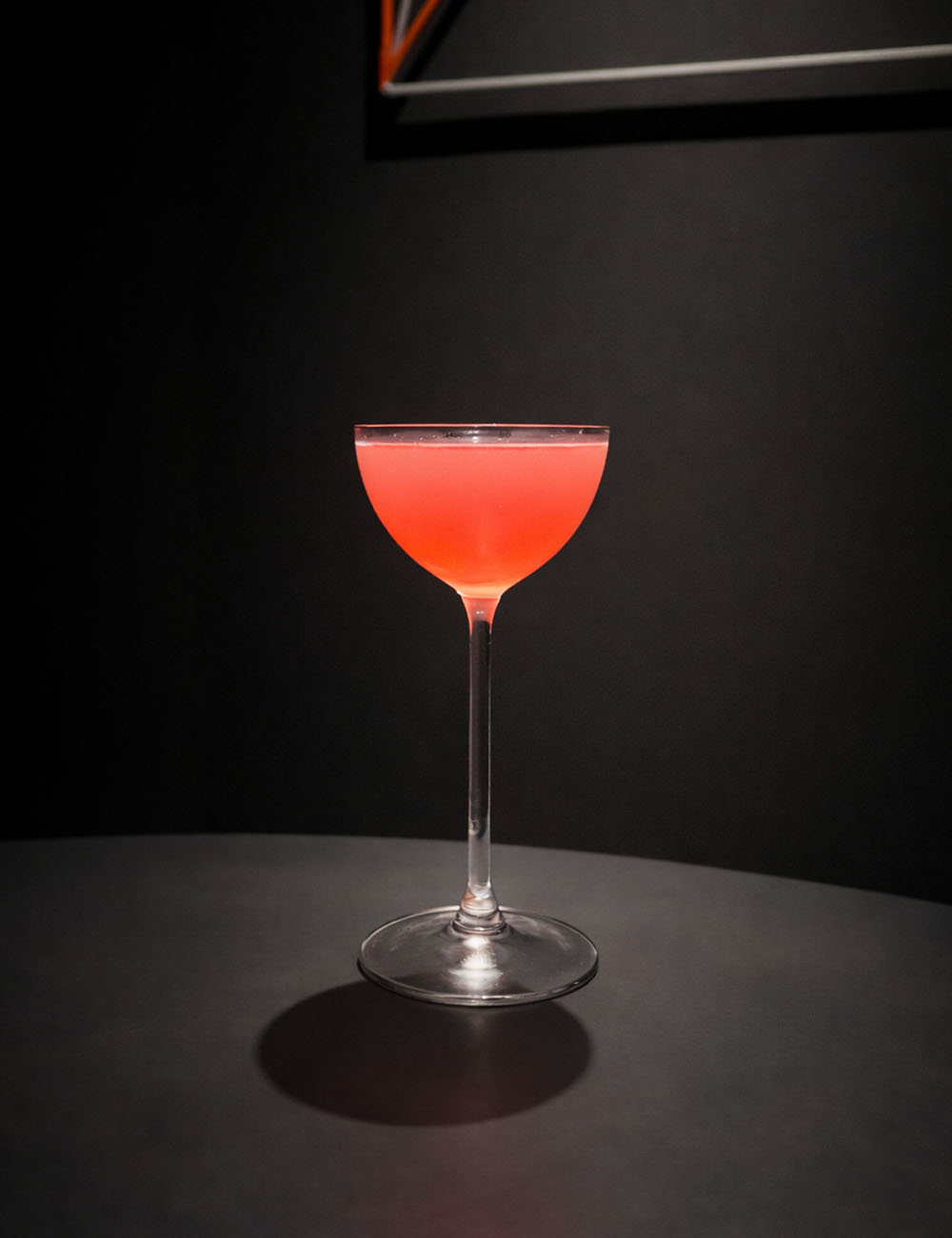
The texture, without a doubt. There is a weight to it that you notice straight away. Then you get that subtle, savory note that almost reminds you of bread. From a bartender’s perspective, that opens things up. It gives you something to play with rather than something completely neutral. We always say we built Altamura Distilleries Vodka to sit comfortably in a great Martini. It holds its own and brings something to the glass.

Where does Altamura Distilleries Vodka shine in cocktails and service?
The Martini is the obvious one, the texture and umami of the vodka combined with an elegant vermouth are a lovely way to experience it. But that same texture and profile allow it to work with a range of ingredients in a very active way. That is why it has found a natural home in some of the world’s best hotel bars. Being the Official Vodka Partner of The World’s 50 Best Hotels reflects that. It is a vodka that fits that environment.
Where are you seeing the brand resonate from a distribution and retail standpoint?
We are seeing strong growth across the US (26 States), Italy, and now Asia. In the US we are excited to expand into the off-trade market with availability through outlets like Eataly and Total Wine That balance is important. People discover it in a great bar or hotel, and then they want to take it home with them.
How important is it to communicate Altamura Distilleries Vodka’s Italian identity?
It is central to everything. When people think about Italian products, they think about quality and authenticity. It is an authentic and historical Italian ingredient, the wheat of Altamura, expressed in a new way, yet still very respectful of mindful of the history and provenance. It is not just a vodka made in Italy. It is a vodka that comes from a very specific place, with a very real story behind it.
Does sustainability and farming play a role in the brand?
Very much so. Working with farmers like Andrea Capiello is not just about sourcing wheat. It is about supporting a way of life that has existed for generations. That wheat has been grown in the same region, in the same way, for thousands of years.
How does the Born Free partnership fit into the brand’s story?
It feels very natural. There is a shared symbolism in the lion. In Altamura, the lioness represents protection and heritage. For Born Free, it represents conservation and legacy. Through that partnership, Altamura Distilleries Vodka contributes to conservation efforts with every bottle, as well as supporting global initiatives and events like the Born Free London Gala. It is about standing for something beyond the liquid.
Where do you see the premium vodka category heading?
People are becoming more curious. They want to understand where things come from and what makes them different. That is where vodka is heading as well. The idea of a vodka that has a perspective, that “brings something to the party” other than neutral alcohol is an idea whose time has come. Altamura Distilleries Vodka has already been recognized in the Drinks International Bartenders’ Choice Report 2026, which shows that shift is happening within the trade too.
Three words to describe Altamura Distilleries Vodka?
Italian, Elegant, Smooth.
What is next for the brand?
We are growing, but we are staying focused on the same idea. There is still so much to explore with this wheat and what it can do. We are just at the beginning of that journey.
Share This Story, Choose Your Platform!