Built Different: Inside OLUJO’s Approach to Ultra-Premium Tequila
By Isabella Cruz

In a category filled with legacy names and lookalike bottles, OLUJO is taking a more deliberate approach—starting with the liquid and building everything else around it.
Focused on craft, design, and a clear point of view, the brand is less interested in following tequila’s traditional playbook and more focused on redefining it. We caught up with the OLUJO team to get a closer look at what sets the brand apart.
OLUJO entered a crowded category with a very specific point of view. Where did that clarity come from?
Honestly, it came from being willing to be honest about what we were actually trying to do. Most brands in this space start with a story, a heritage narrative, a celebrity, a lifestyle concept, and then find a liquid to attach to it. We did the opposite. We started with the question of what the best tequila could actually be, and built everything outward from that.
That meant accepting some uncomfortable truths early. “Best” is subjective. So we reframed it: the best tequila is the one that people consistently choose. We reverse-engineered from there, spending a year running blind tastings through our agency Herman Scheer and mapping real preferences across the competitive landscape. What emerged was clear. People gravitate toward profiles that are smoother and slightly sweeter, while the more austere connoisseur profiles, even additive-free ones, actually ranked lower with general consumers.
Heavily sweet brands performed well initially but fell off quickly as consumption increased. So we understood the range we needed to work within: approachable enough to open a second bottle with friends, nuanced enough to hold the interest of someone who actually knows tequila.
Every production decision was driven by that data, refined through multiple rounds of blind tastings until we had a profile that held up consistently. That’s not a romantic origin story, but it’s an honest one.
From which region is OLUJO’s agave sourced, and in what ways does that terroir influence the tequila’s character?
OLUJO’s Blue Weber Agave comes from the Los Altos Highlands of Jalisco, and we’re working with mature plants, seven years and up. That maturity matters as much as the region itself. Agave that’s been given the time to fully develop carries a complexity that younger harvests can’t replicate.
The Highlands contribute something specific. The elevation, volcanic soils, and climate push agave toward higher natural sugar development and a more aromatic character than you typically find in lowland-grown plants. In the glass that translates to a rounder, more expressive foundation, softer fruit tones, and a texture that carries through the aging process without getting lost under the oak.
For a spirit built around aging, where the agave comes from is one of the most consequential decisions in the whole process. The region gives us a starting point with enough character to support what comes next, without needing the wood to do all the work.
Walk us through the production philosophy. What were the lines you wouldn’t cross?
The non-negotiables were clear from the start. No diffuser. No cutting corners on fermentation time. No decisions made because they were easier or faster. We visited over twenty distilleries before selecting our production partner, and the criterion wasn’t which one looked best in photos. It was which one had both the technical capability and the shared approach to craft that would let us achieve the exact profile we were after.
From there, every technique, tahona versus roller mill, wood selection, rest time, was evaluated against one question: does this get us closer to the profile, or does it take us further away? That sounds obvious, but it’s actually a discipline a lot of brands skip. Production decisions often get made for tradition, or marketing reasons, or because that’s just how it’s done. We used data and repeated tasting to stay honest about what was working.
The aging side is where the character we built really develops. American White Oak introduces vanilla, toasted notes, subtle spice. The agave brings the herbal lift, the brightness, the identity. Getting those to coexist without one overwhelming the other required patience and a willingness to keep refining until the blend was right. That tension, resolved well, is the whole point of the spirit.
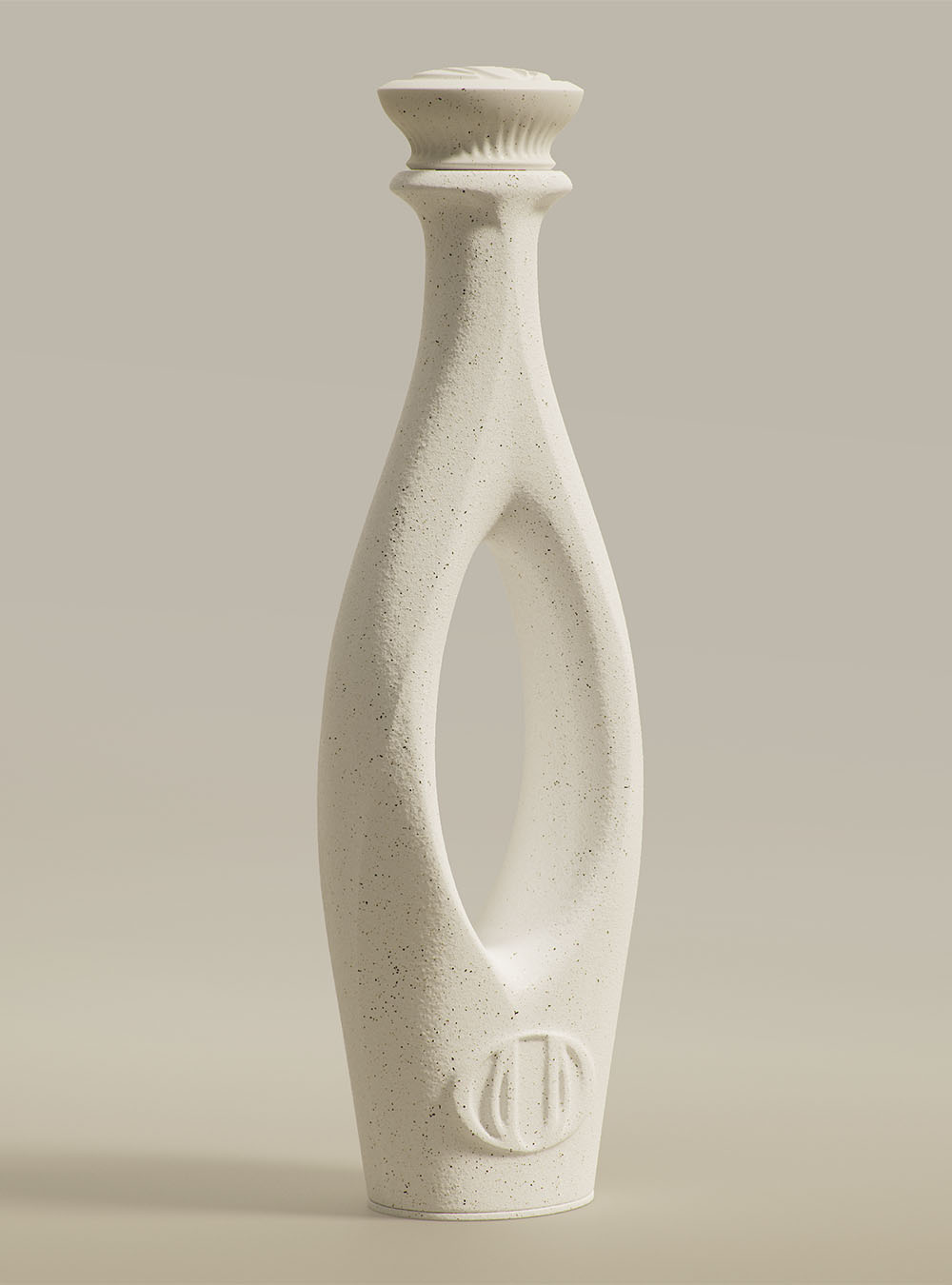
The bottle is hard to ignore. How did that design actually come together?
There was no romantic moodboard moment where inspiration struck. It was a grind, and I think that’s actually what makes the result feel right.
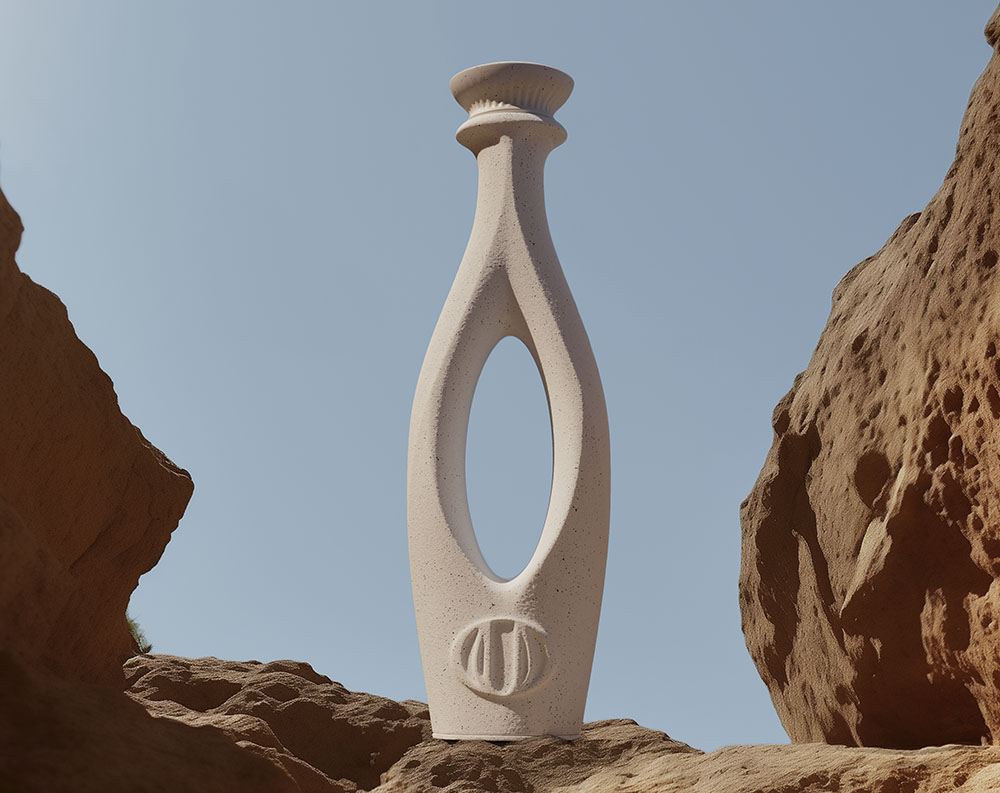
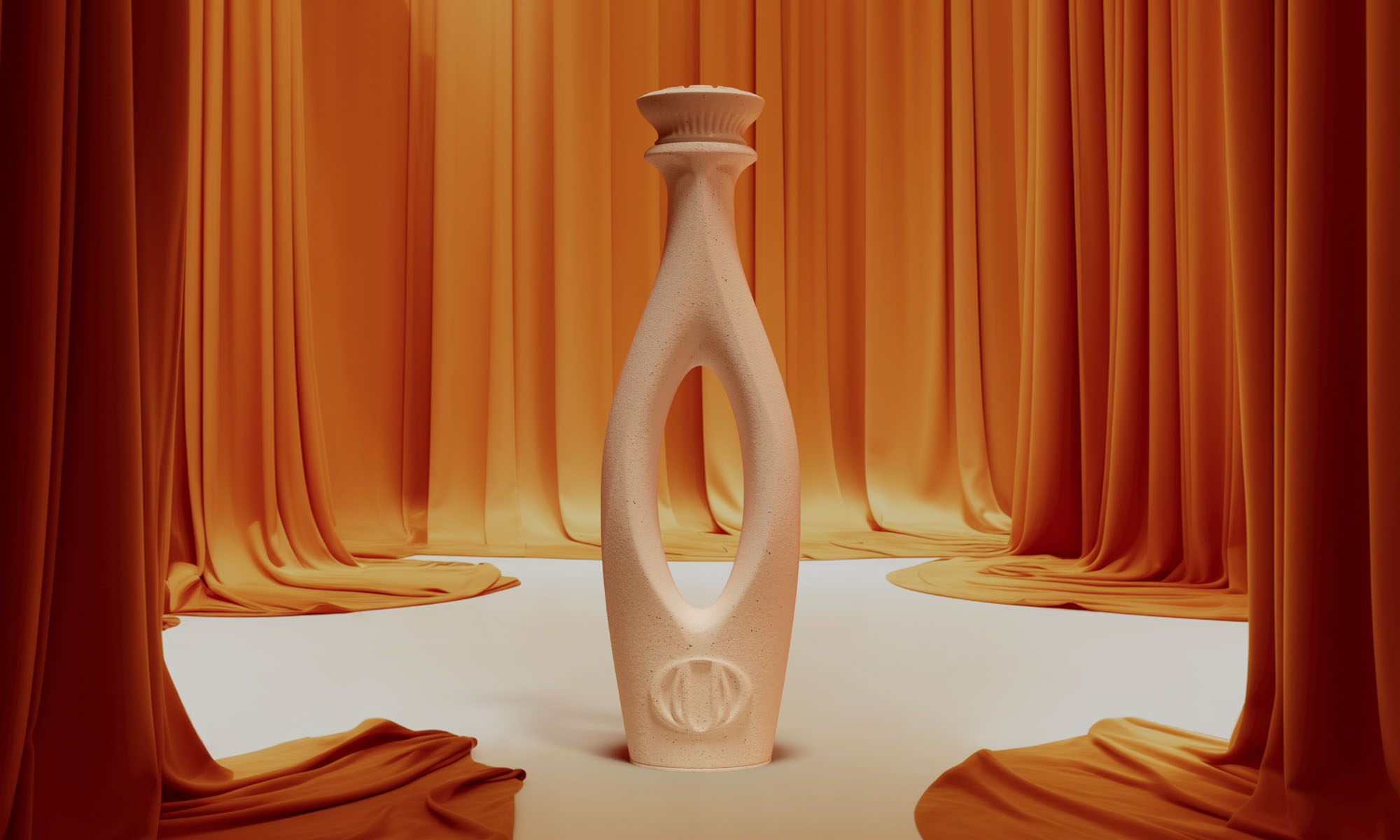
We knew from the beginning that the bottle had to stop people. Squint your eyes at most tequila backbars and everything starts to blur together, same silhouettes, same color palettes, same visual language. We wanted something that made someone across the room say “what is that?” whether they meant it as a compliment or not. Eliciting that reaction in a category as visually repetitive as this one is the job.
This was in the early days of generative AI, a very different moment than where we are now, and we used it to push the exploration as far as it could go. We got it down to around 300 concepts, physically printed every one, laid them across a conference room floor, and started pulling out the design elements that kept resonating. We knew the materiality and the proportions we wanted. We needed someone who could bring it to life with real craft. That led us to Ivan Venkov, who worked with us and with our production partner Anfora in Mexico to execute the final form. We even 3D printed early versions to see how they read in actual environments before committing.
There’s no singular poetic inspiration behind the shape. It’s the result of a lot of ideas, a lot of editing, and a very specific standard for what the final object had to be.
You launched with a single añejo expression rather than a full range. What was behind that decision, and what does the profile deliver?
Launching with one expression and doing it properly felt more honest than spreading across a blanco, reposado, and añejo just to have shelf presence. The industry default of the three-tier launch is largely a retail strategy. It gives distributors options and fills programs. We weren’t interested in building a portfolio before we’d built a statement.
The añejo gave us the most to work with. It’s where everything we cared about, the Highland agave, the production approach, the wood program, has the room to express itself fully. The profile lands on vanilla, toasted oak, chocolate, and a gentle spice, while the agave keeps its presence underneath. The intention was always for those elements to come forward gradually rather than arriving all at once. It should open up the longer you sit with it.
The core character of that expression is what defines the brand. Every future release will build from that reference point, not away from it.
How is OLUJO incorporating sustainability or long-term environmental responsibility into its production practices?
It starts in the fields. Responsible agave cultivation requires a long view by nature. The plant takes years to mature, and the health of the soil across that entire cycle matters. Working with experienced growers who approach planting, harvesting, and rotation with genuine care is foundational, not a footnote.
What we find meaningful about our partnership with Anfora is that the vessel itself reflects that sensibility. The bottle is made from three elements: earth, fire, and water. Clay sourced and shaped, fired, and finished through a process that works with natural materials. There’s an integrity to that which we value both as a design choice and as an expression of how we want to operate.
Byproduct management, water stewardship, energy considerations within the distillery, these are ongoing commitments across the industry and we take seriously our responsibility to contribute to moving that forward.
In terms of consumption, what settings or styles of serves best reflect how OLUJO is meant to be enjoyed, whether neat, mixed, or both?
Neat, ideally. The profile was built to be sipped, and the aging process creates enough going on in the glass that covering it would be wasteful. Served at room temperature, the aromas open over time, the texture develops, and the finish lingers in a way that rewards attention.
That said, it holds its own in a well-considered cocktail. Spirit-forward builds, a stirred format, something clean that lets the tequila lead, treat it properly. What it shouldn’t be is a supporting player in something that would taste the same regardless of what spirit you poured.
However it ends up in your glass, it’s going to show up. That was the standard we built it to.

What has the response from the trade and consumers actually looked like since launch?
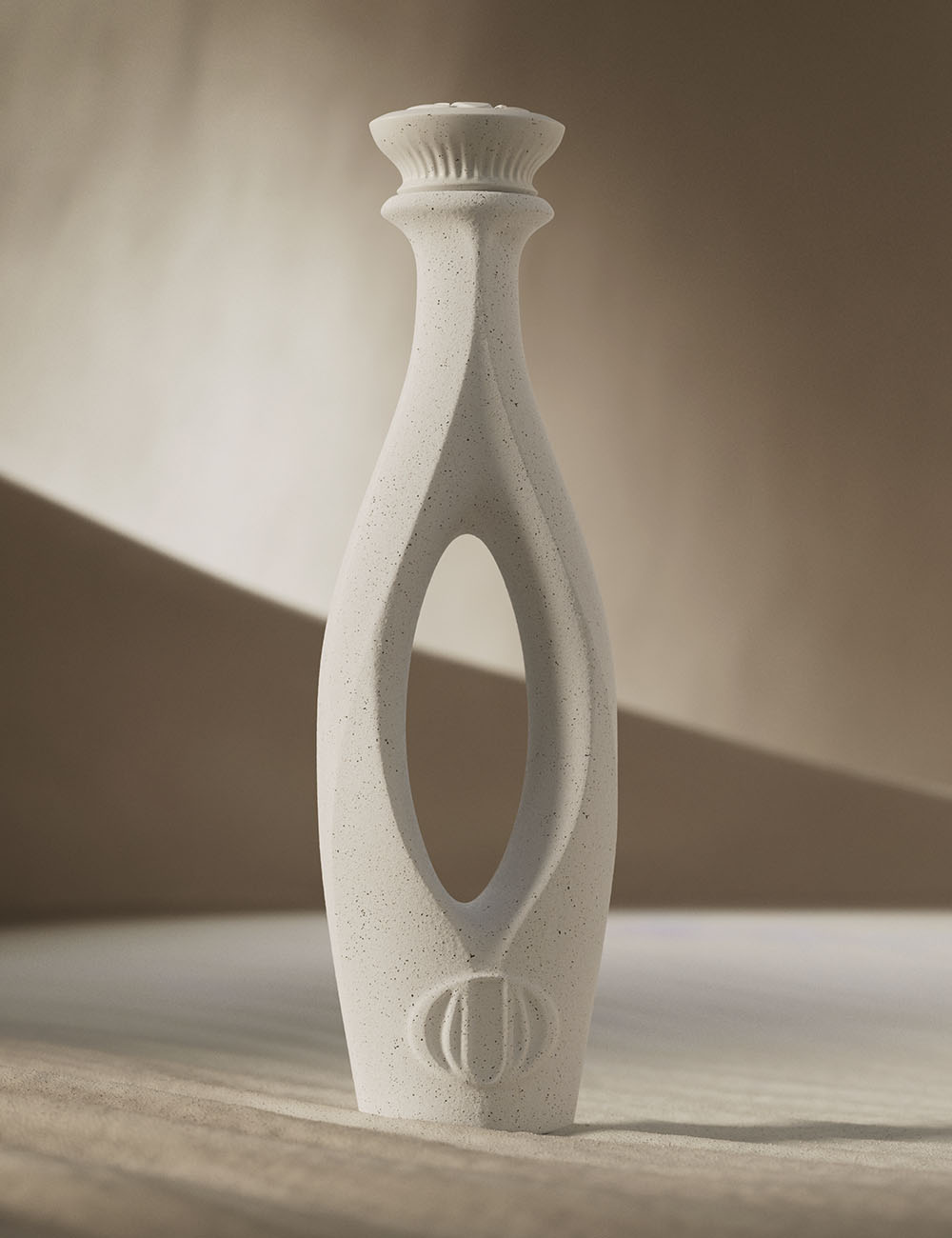
The bottle gets people first, almost without exception. That was the goal, and it’s been consistent. People stop, pick it up, ask about it before they’ve tasted anything. Getting that reaction in a crowded backbar environment is not a small thing.
What’s been more meaningful is what happens after. Bartenders and buyers who’ve done blind comparisons have come back saying the liquid holds up against profiles in its category in ways they didn’t expect going in. That matters more to us than enthusiasm driven purely by the packaging. The two things need to work together, and the feedback has been that they do.
The moments that stick are the ones where someone who came to the conversation skeptically, this is a premium-priced newcomer after all, leaves genuinely impressed by what’s in the glass. That’s the validation we were after.
What’s coming next for OLUJO?
The near-term focus is on building depth rather than breadth. That means continuing to develop the brand in the right environments and with the right partners, rather than chasing distribution volume for its own sake.
On the liquid side, we were fortunate to secure a small number of barrels of extra añejo dating back to the founding era of the CRT, Mexico’s tequila regulatory body, with the provenance documentation to back it up. It’s remarkable stuff, the kind of thing that doesn’t surface often. We’re not rushing it.
There are a few collaborations in development with hospitality groups and creative partners who share a genuine appreciation for what the brand is doing. Not co-branding exercises, but projects where the alignment is real. More on those when the time is right.
The long game is building a brand that people encounter in the right rooms, served the right way, and remember. That takes longer than a launch cycle, and we’re comfortable with that.
Share This Story, Choose Your Platform!