Sherry as a Cocktail Tool: How Bartenders Are Using Lustau
By Chilled Magazine


For bartenders looking to push flavor, balance, and creativity, sherry and vermut are proving to be more than just supporting players.
With a range of styles and applications, Lustau offers a flexible toolkit that can transform both classic and modern cocktails. Here’s how bartenders can start using it—and why it works.
Lustau has a long history in Jerez—how does that heritage influence the way your sherries and vermuts are made today?
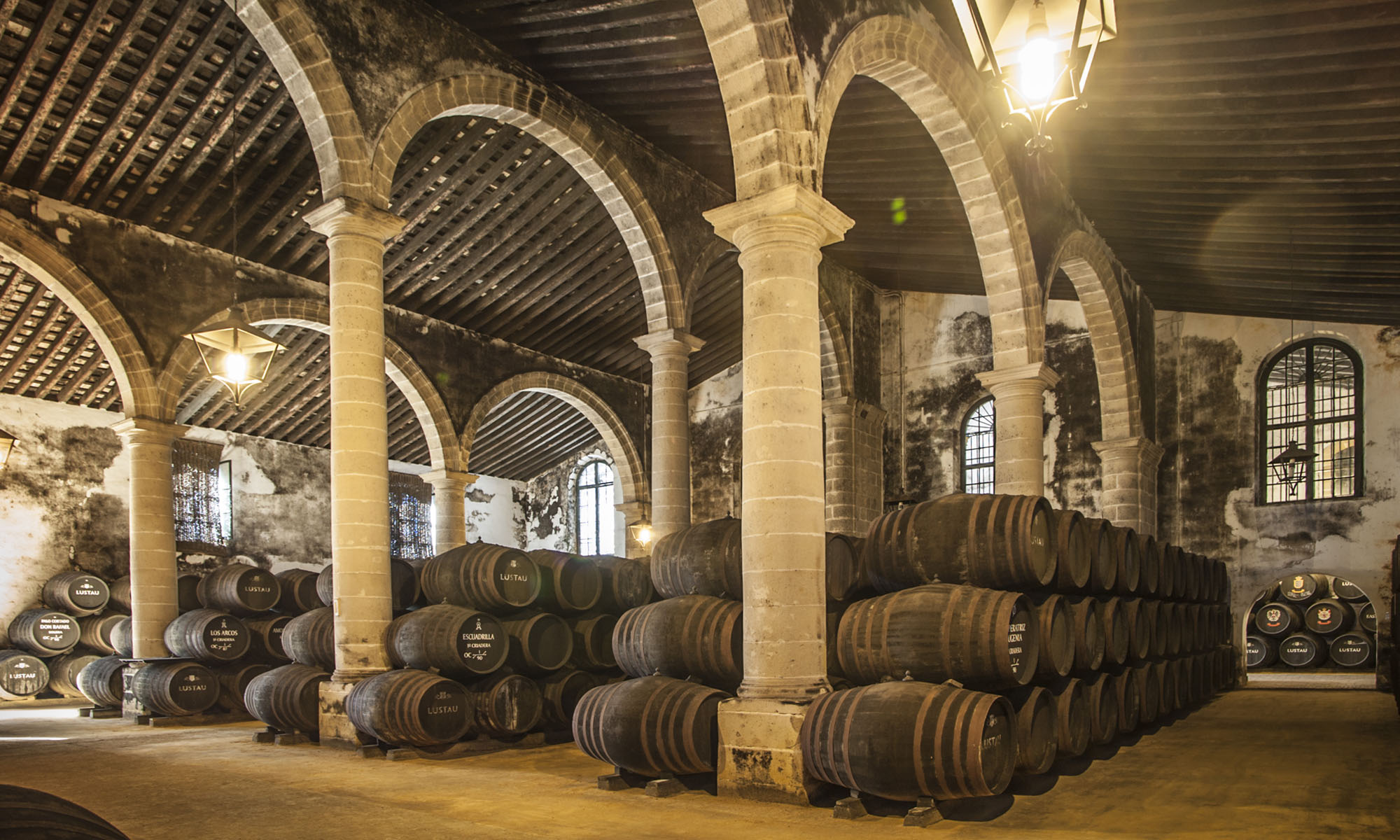
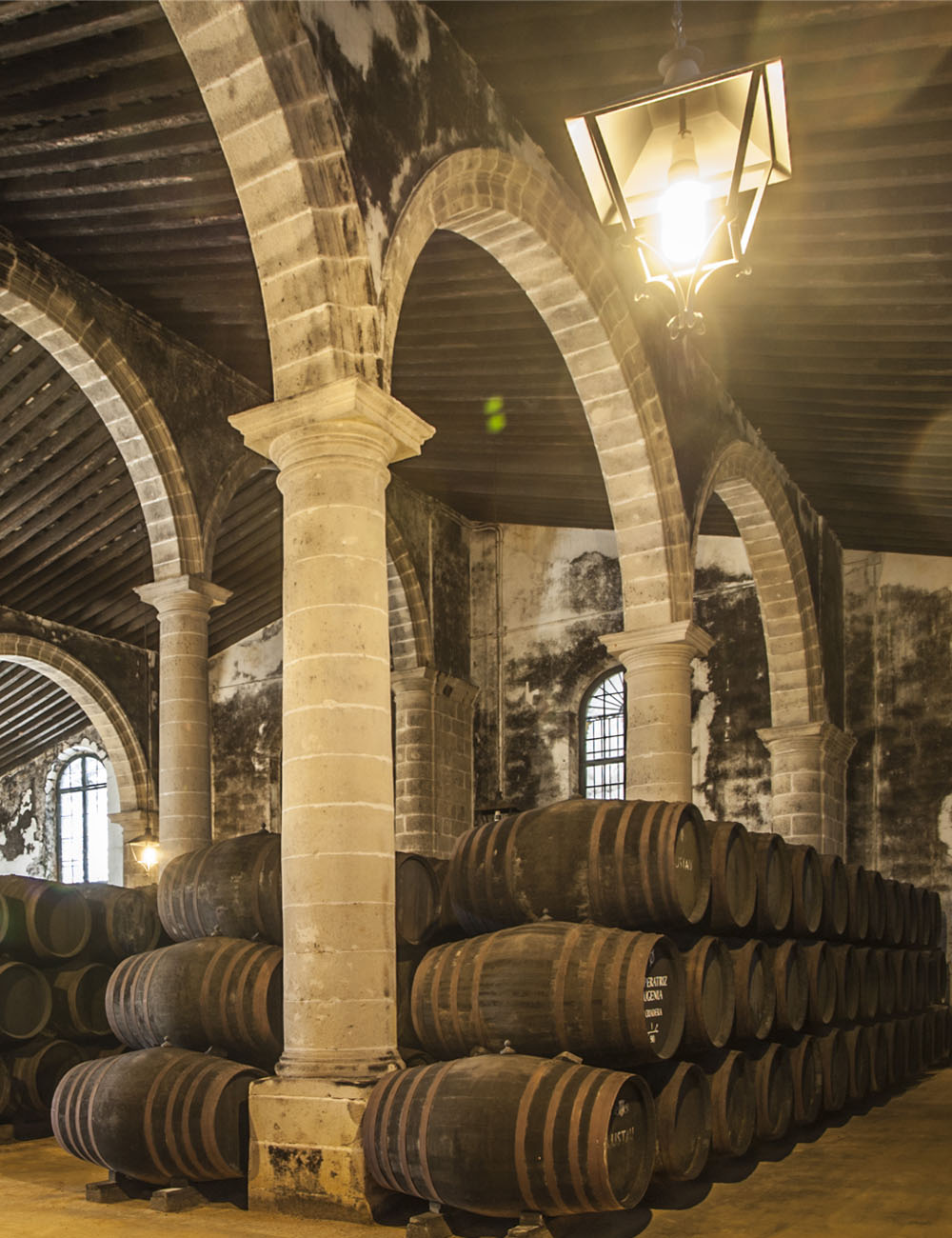
The towns and regional heritage, plus Lustau’s own traditions, are fundamental to everything we do and the way we do it today. The customs of wine craftsmanship that live on have shaped our philosophy through time, tenets and know-how together, inspiring our vision and commitment to preserving this unique canvas of styles, flavors, aromas and expressions.
Techniques such as the solera and criaderas system or our 19th Century cellars are perfect examples of that, while always seeking further refinement and sophistication we also continue to rely on the purest artisanal side of the winemaking process.

How does the solera system impact consistency and flavor profile across your range?
The solera system is key to achieving both consistency and complexity while ensuring that each product’s personality is kept over the long term (decades). With “just” blending multiple vintages over time, we guarantee a solid identity while concentrating flavors.
As a result, we can create wines that are nuanced, harmonious, and immediately recognizable by industry members. At the same time, the system allows us to work with very old average ages without losing balance and liveliness, something that would be difficult to achieve with a single vintage approach.
This method, of course, also brings challenges, requiring a highly experienced team to maintain the right equilibrium.
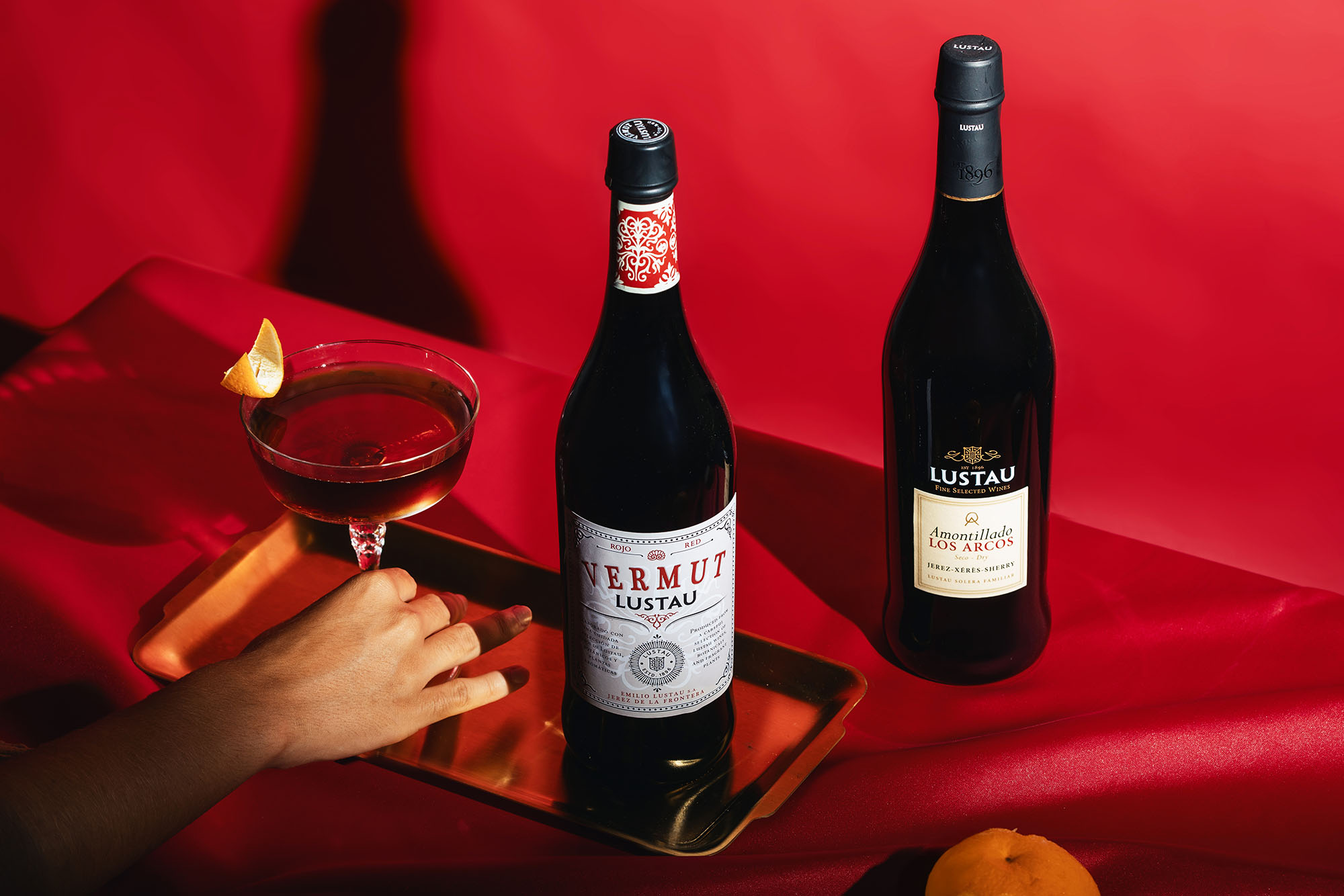
Vermut Lustau has become a standout behind the bar—what should bartenders know?
Vermut Lustau’s collection offers bartenders a clear point of difference. Being crafted with Lustau wines will ensure that the product delivers a richer, more layered profile than others, allowing drinks to feel more intentional. Thanks to its multi-layered character it can also be seen as more than a modifier. It can take a leading role in a drink while maintaining balance—making it ideal for both reinterpreting classics and building new signatures.
What makes Vermut Lustau particularly versatile for bartenders?
Versatility is a feature commonly found in sherry wines that we wanted to echo in all our vermouths. So, we aimed at making these in a very simple way, they all lean back on the strong prominence of their sherry wine base as the recipes leading ingredient. The intention being to impart the sophistication the solera system provides to our wines, creating a direct impact on flavors and aromas that would eventually elevate the vermouth’s versatility.

For bartenders new to sherry, what’s the easiest way to start using it in cocktails?
First, I recommend they taste the sherry style to achieve an understanding of its unique character. Yeasty notes, nuttiness, spices, velvety textures. By identifying styles with specific basic profiles, they can start building a sensory library and apply these flavors, aromas and texture archetypes into the recipes they might be thinking of.
For those new to sherry, starting with simple substitutions is highly effective.
Replacing part of the base spirit or incorporating sherry into classic templates allows bartenders to explore its character without overcomplicating the drink and themselves. Another alternative is to focus only on what a certain style of sherry wine can provide or deliver into the drink.
Sherry spans a wide range of styles—from Fino to PX—how should bartenders think about using each one?
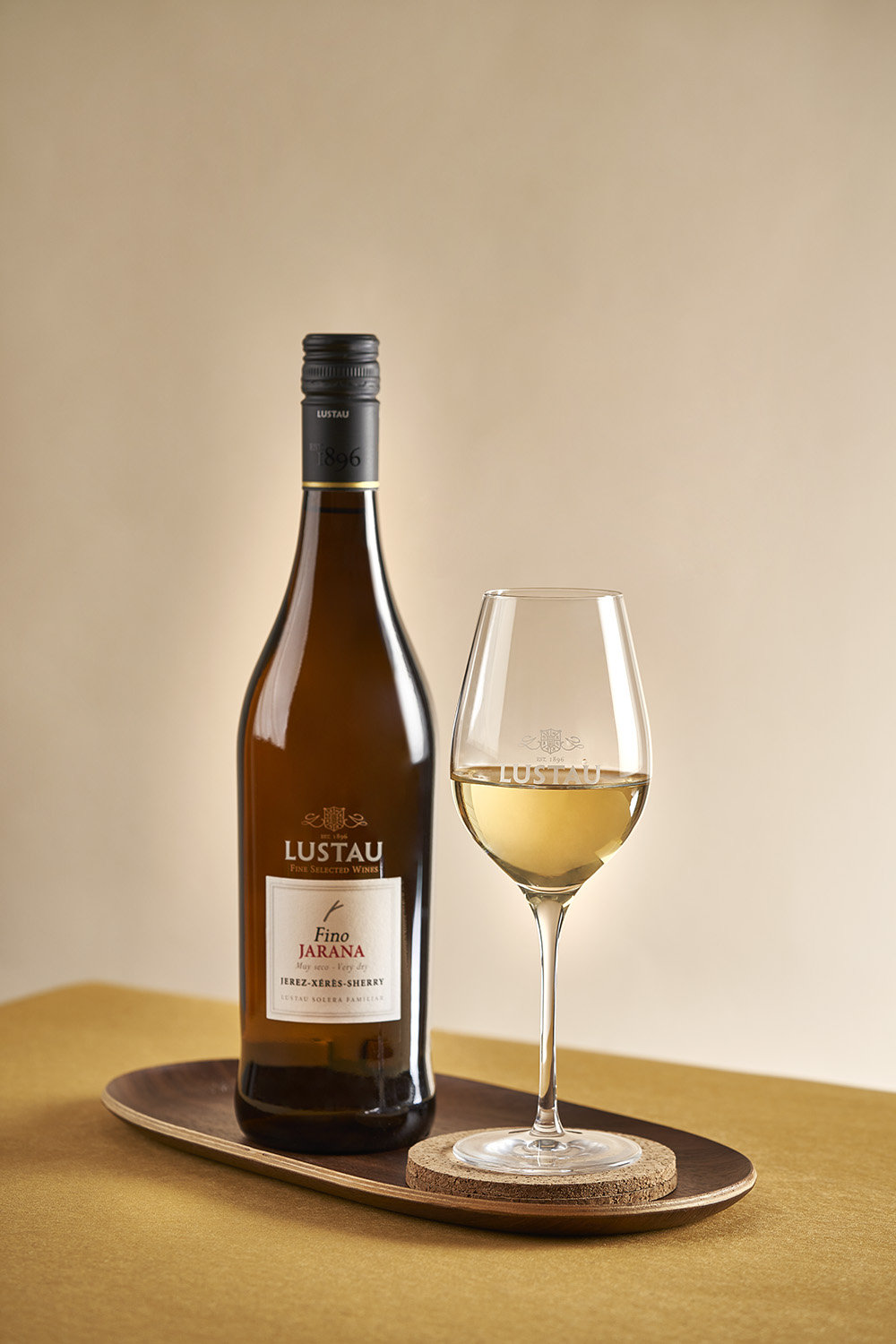
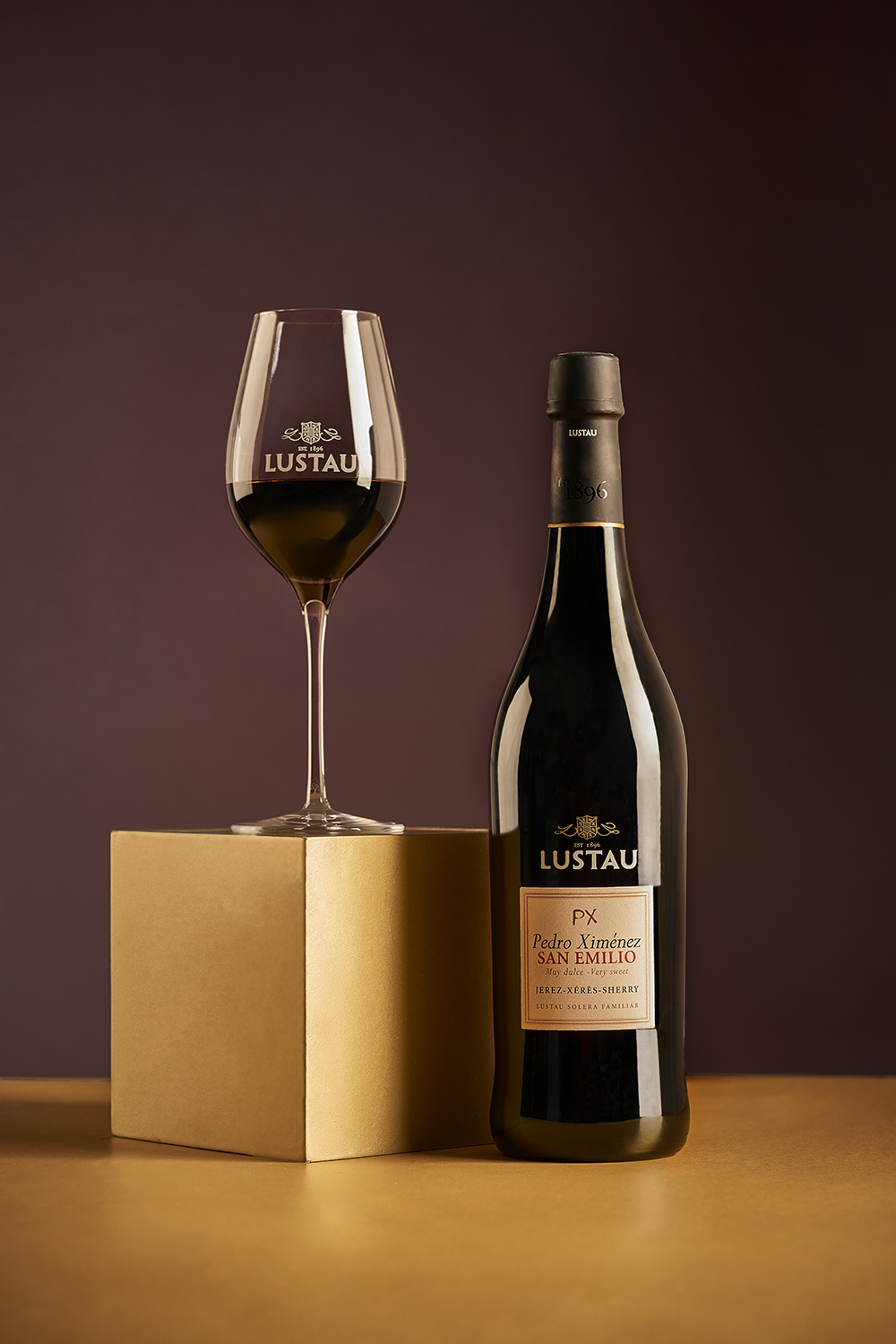
Each style offers a specific function behind the bar. Finos and manzanillas bring freshness and salinity, Amontillados introduce nuttiness and structure, olorosos add richness and depth, and pedro ximénez contributes sweetness and texture. Understanding firstly every major style profile will lead to an almost instinctive use or application.
What role does education play in helping bartenders feel confident using sherry and vermut?
Education plays a fundamental role in helping bartenders feel confident with sherry and vermouth, but sometimes it needs to be approached in a practical and relevant way. I would rather suggest that beyond trying to simplify the entire category into a few abstract concepts, it is far more effective to focus on understanding the flavor profile and function of each style behind the bar.
Education can also help simplify decision-making. Identifying which style brings freshness, structure, richness, or sweetness, and apply it with intention and fully unlock the versatility of the category.
That is why Lustau has been supporting education at all levels, providing accurate educational content tailored for many different levels of interest and knowledge. Our education programs, for all levels of knowledge, have been designed to answer questions and offer practical answers to anyone who is looking for understanding and enjoying us thoroughly.

How can bartenders better communicate sherry to guests who may be unfamiliar with it?
I will insist on the idea of focusing on sensations and style profile rather than trying to explain the category as a whole, homogeneous entity. Bartenders, sommeliers and industry professionals can communicate more effectively by focusing on flavor and experience rather than technical terminology.
Framing sherry in familiar contexts helps guests engage with them more easily. Not everyone might know what “flor” is or understand the mathematical method of the solera and criaderas system, but everyone can relate to flavor, texture, aromas and automatically feel connected to a certain style of sherry wine or vermouth!
Where do you see the biggest opportunity for Lustau in the on-premise space right now?
The greatest opportunity for Lustau in the on-premise space lies in becoming a foundational tool for modern beverage programs. As bartenders and sommeliers continue to prioritize flavor, versatility, and efficiency, our collection offers a way to craft drinks that are both distinctive and easy to execute. We aim to go beyond the traditional aperitivo or after-dinner context. The breadth of styles allows hospitality professionals to work across the entire menu using a single, cohesive collection of products.
There is also significant potential to simplify more affordable offerings without compromising quality. Ultimately, as the industry evolves toward more thoughtful and experience-driven drinking, Lustau can move from being a point of interest to becoming an essential component in how modern bars and restaurants design and deliver their menus.
Share This Story, Choose Your Platform!